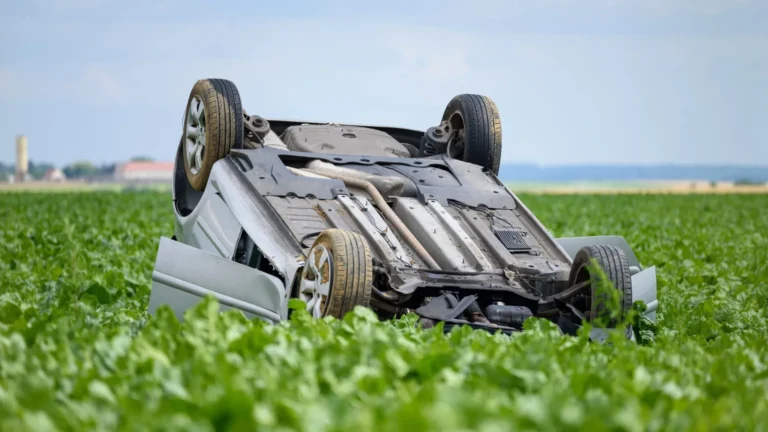

Short Answer: After selling a junk car in Maine, you must remove your license plates, complete the title transfer (as of January 1, 2026, model year 2001 or newer requires a title), and contact your local town office to cancel or transfer your registration. By transferring your registration to a new vehicle, you can preserve your paid excise tax credit. Finally, cancel your insurance policy and keep a copy of the bill of sale for your records.
Getting cash for your rusty, worn-out vehicle is a great feeling, but what exactly should you do after you sell a junk car in Maine? Selling a car isn’t just about handing over the keys; it involves properly notifying the Maine Bureau of Motor Vehicles (BMV), handling your local town office paperwork, and protecting yourself from future liabilities.
In this guide, we break down the exact steps you need to take once the tow truck pulls away. From dealing with Maine’s unique excise tax system to navigating title laws, here is your comprehensive roadmap to wrapping up your junk car sale correctly.
Honest Local Context: Why Maine is Unique
If you’ve driven through a few Maine winters, you know the toll that road salt, snow, and ice take on vehicles. The Maine Department of Transportation (MaineDOT) uses salt to keep roads safe, but this significantly accelerates rust and frame rot. By the time a car fails the strict Maine State Police vehicle inspection due to structural rust, it is often bound for the salvage yard.
Because Maine has a localized vehicle registration system, you don’t just deal with the state BMV—you deal with your local town or city clerk. Furthermore, Maine assesses an annual excise tax on vehicles. If you sell your junk car, you don’t want to lose the excise tax you’ve already paid. Knowing how to handle your registration locally can save you money if you plan to buy a replacement vehicle.
Lastly, Maine’s title rules have recently been updated. While older cars previously didn’t need titles, as of January 1, 2026, any vehicle with a model year of 2001 or newer requires a title for legal transfer. Knowing these specific local nuances is critical for a stress-free junk car sale.
Step-by-Step: What to Do After Selling a Junk Car in Maine
When the buyer arrives to pick up your vehicle, the paperwork process begins. Here are the steps you must take to finalize the sale and protect yourself.
1. Remove Your License Plates Before the Car Leaves
In Maine, license plates belong to the owner, not the vehicle. Never let a junk car buyer tow your vehicle away with your plates still attached.
- Take off both the front and rear license plates.
- Remove any personal items, toll transponders (like E-ZPass), and important documents from the glovebox.
- If you leave your plates on the car, you could be held liable for parking tickets, towing fees, or even crimes committed with the vehicle.
2. Sign Over the Title Correctly
The buyer needs the vehicle’s title to prove ownership and properly scrap or recycle the car according to Maine Department of Environmental Protection (DEP) regulations.
- Title Requirements: As of January 1, 2026, the Maine BMV mandates that all vehicles model year 2001 and newer must have a title to be sold.
- Lost Title? If you have a 2001 or newer vehicle and lost the title, you must apply for a duplicate title through the Maine BMV before selling. You cannot simply write a bill of sale for these vehicles.
- Signing: Sign the back of the title exactly as your name appears on the front. If there are two owners listed with “AND,” both must sign.
- Odometer Reading: Fill in the correct mileage if the car is less than 20 years old, though many junk buyers will handle the exempt status if the car is beyond its useful life.
3. Provide and Keep a Bill of Sale
Even if you sign over the title, you should always create and keep a bill of sale. A bill of sale is your immediate proof that you no longer own the vehicle as of a specific date and time.
- Include the buyer’s name, your name, the vehicle’s VIN, make, model, year, and the sale price.
- Keep a copy for your records for at least 18 months.
4. Visit Your Local Town Office (Excise Tax & Registration)
This is a crucial Maine-specific step. When you register a car in Maine, you pay an excise tax to your municipality.
- Transferring Plates: If you buy another vehicle, you can transfer your old plates and the remaining balance of your paid excise tax to the new car. To do this, you must bring the old registration and the bill of sale for the junked car to your town office.
- Canceling Registration: If you are not replacing the vehicle, you should return the plates to your town office or the BMV to officially cancel the registration. This ensures you aren’t taxed for a vehicle you no longer own. Note that Maine typically does not issue cash refunds for unused excise tax; the value is only preserved as a credit toward a new registration.
5. Cancel Your Auto Insurance
Never cancel your auto insurance until you have removed the plates and officially signed over the title. If you cancel the insurance while the car is still legally registered and sitting on the street, you could face fines or suspension from the BMV.
- Once the car is sold and plates are removed, call your insurance agent.
- Let them know you have sold the vehicle and request a cancellation.
- If you paid your premium in advance, you might be entitled to a prorated refund.
Decision Framework: What to Do With Your Maine Plates
Use this quick checklist to decide how to handle your Maine license plates after the sale:
- [ ] Buying a new car soon? Keep the plates in a safe place. Take your old registration and junk car bill of sale to the town office when you register the new car to apply your excise tax credit.
- [ ] Not replacing the car? Surrender the plates to your local town office or the BMV to officially close the vehicle’s record and stop any future property tax assessments.
- [ ] Moving out of Maine? Surrender the plates to the BMV and ensure your registration is fully canceled before establishing residency in your new state.
When Should You Repair, Scrap, or Request an Offer?
Selling a car for scrap isn’t the only option, but it is often the most practical one in Maine. Here is a framework to help you decide what to do before making the sale.
When to Repair
If your vehicle has a solid frame, minimal rust, and a mechanical issue that costs less than the car’s total value, repairing it makes sense. For instance, if you have a 2012 Subaru Outback that needs a $600 alternator repair but is otherwise solid, fixing it will yield a higher private sale value.
When to Request an Offer from a Cash Buyer
If your car failed a Maine State Police inspection for frame rot, rocker panel rust, or major emissions issues, it is likely not worth repairing. A private buyer won’t be able to register it easily. In this case, requesting an offer from a professional car buyer like CashSellCar is the easiest route. We buy cars in any condition and handle the towing. Here’s a brief look at what CashSellCar does: we offer guaranteed cash quotes for vehicles in any condition, handle all the towing for free, and pay you exactly what we quoted at pickup. What the seller needs to verify: have your title ready, ensure you have the keys, and make sure your plates are removed before the truck arrives.
When to Scrap
If the vehicle has been sitting in your yard in Bangor or Lewiston for 15 years, has no engine, and is actively leaking fluids into the soil (violating Maine DEP motor vehicle recycling rules), it is a prime candidate for immediate scrapping. Contact a buyer who will haul it away safely and properly recycle the hazardous materials.
Frequently Asked Questions (FAQ)
Do I need a title to sell a junk car in Maine?
As of January 1, 2026, if your vehicle is a model year 2001 or newer, you absolutely must have a valid title to sell it in Maine. If you lost it, you must obtain a duplicate title from the Maine BMV before selling.
Can I get a refund on my Maine excise tax if I junk my car?
Maine municipalities generally do not offer cash refunds for paid excise tax. However, if you transfer your registration to a new vehicle within the same registration year, you can apply the remaining credit to the new car.
What happens if I leave my plates on the junk car?
If you leave your plates on the car, you remain legally responsible for the vehicle. Any tolls, parking tickets, or towing fees incurred by the new owner will be billed to you. Always remove your plates.
Who notifies the Maine BMV that I sold my car?
While the buyer will eventually register or scrap the car, you should proactively protect yourself by canceling the registration at your town office and keeping your bill of sale as proof of the transfer.
How do I get a duplicate title in Maine?
You can apply for a duplicate title by filling out the Maine BMV form MVT-8, paying the required fee, and mailing it or bringing it to a BMV branch office.
Does my junk car need to pass inspection before I sell it?
No. You can sell a vehicle without a valid Maine State Police inspection sticker, provided you disclose the vehicle’s condition to the buyer. Junk car buyers purchase vehicles “as-is,” so failed inspections are not an issue.
Can I cancel my insurance before the tow truck arrives?
No. You should keep the vehicle insured until the transaction is complete, the title is signed over, and the plates are physically removed from the car.
Get a Cash Offer for Your Maine Junk Car Today
Dealing with a rusty, failed-inspection vehicle in Maine doesn’t have to be a headache. Once you know what to do after selling a junk car in Maine, the process is straightforward. Keep your plates, sign the title, visit your town office, and cancel your insurance.
If you are ready to sell your car today, CashSellCar makes it incredibly simple. We provide fast, fair offers, handle the towing from your property, and ensure the transaction is safe and legal.
- Give us a call: 1-844-512-0697
- Email us: contact@cashsellcar.com
- Learn more about our process in our Maine service area or check out How It Works.
Let us take the stress out of selling your junk car. Contact CashSellCar today for your free, no-obligation offer!
Sources used for this article:
- Maine Bureau of Motor Vehicles (BMV): Title requirements and duplicate title procedures.
- Maine State Police: Motor vehicle inspection guidelines.
- Maine Department of Environmental Protection (DEP): Motor vehicle recycling and fluid containment regulations.
- Maine Department of Transportation (MaineDOT): Winter road maintenance and salt application policies.
- Local Maine Town Offices: Municipal excise tax and registration transfer guidelines.
Ready to see what your car is worth?
Get a real online offer with free towing and no obligation.
Get my instant offer