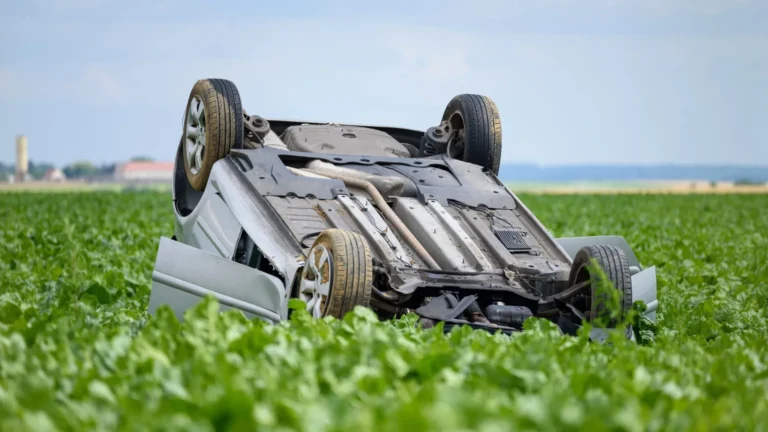

Maine winters push people to junk cars primarily due to the severe, accelerated rust caused by MaineDOT’s extensive use of rock salt and liquid brine, combined with extreme cold that repeatedly kills aging batteries and compromises vehicle fluids. Rather than investing thousands of dollars in replacing rusted brake lines, exhaust systems, or suspension components just to pass strict Maine State Police safety inspections, many local sellers find it more economical and far less stressful to sell their deteriorating vehicles for cash.
The decision to hold onto a struggling vehicle becomes a lot harder when the temperature drops in New England. Maine winters push people to junk cars because the combination of relentless cold, heavy snow, and aggressive road treatments transforms minor mechanical issues into complete, catastrophic vehicle failures. When your car’s undercarriage starts showing structural rust and the engine refuses to turn over on a sub-zero morning, investing in major repairs often costs significantly more than the car’s actual value.
Why the Seasonal Shift Matters Specifically in Maine
If you live in Maine, you know that winter is not just a season; it is a test of endurance for everything left outside. The harsh reality of Maine winters pushes people to junk cars because keeping a marginal vehicle on the road requires constant vigilance, significant expense, and a lot of luck.
The Maine Department of Transportation (MaineDOT) has the monumental task of keeping thousands of miles of state highways clear of snow and ice. To accomplish this, they rely heavily on rock salt and advanced liquid salt brines. While these treatments are incredibly effective at melting ice and maintaining safe driving conditions, they are notoriously corrosive. The brine coats the underside of vehicles, seeping into every crevice, electrical connector, and bare metal component. Over a few seasons, this chemical barrage aggressively eats away at brake lines, subframes, exhaust components, and quarter panels.
Furthermore, Maine has strict annual safety inspection rules governed by the Maine State Police. A vehicle with rusted-out rocker panels, a compromised frame, or leaking brake lines will fail inspection outright. Every autumn, as inspection stickers expire and the first frost hits, Maine residents face a tough financial reality: spend $2,000 fixing structural rust on a $1,500 car, or cut their losses and sell it.
How Maine Winters Destroy Aging Vehicles
Understanding exactly how the cold months ravage older vehicles can help you make a logical, emotion-free decision about your car. Here are the primary culprits.
MaineDOT’s War on Ice: Rock Salt and Brine
As mentioned, the anti-icing and de-icing strategies used on Maine roads accelerate rust. Unlike traditional rock salt which largely bounces off your car, liquid brine mixtures stick to the undercarriage and dry there. Every time the temperature rises slightly and you drive through slush, the moisture reactivates the salt, creating a continuous corrosive environment. This “salt belt” reality means vehicles in Maine rust out years before their drivetrains fail. When critical components like brake lines or fuel lines corrode through, the vehicle becomes entirely unsafe to drive.
Sub-Zero Battery and Fluid Failures
Extreme cold is brutal on an aging car’s electrical and mechanical systems. At sub-zero temperatures, a standard lead-acid car battery loses over half its cranking power, while simultaneously, the engine oil thickens, requiring even more power to turn the engine over. An older starter motor drawing current from a weakened battery often leads to a vehicle that simply won’t start when you need it most.
Additionally, if cooling system maintenance has been neglected and the antifreeze mixture is weak, the coolant can freeze and expand, cracking the engine block or radiator. Transmission fluids and power steering fluids also thicken, blowing out old seals and causing massive leaks.
The Threat of Failed Maine State Police Inspections
The Maine State Police Motor Vehicle Inspection Unit mandates rigorous checks to ensure vehicles are safe. The inspection covers everything from steering and suspension components to the structural integrity of the body and frame. A small rust hole might seem cosmetic, but if it allows exhaust gases into the cabin or compromises the structural rigidity of the vehicle, it’s an immediate failure. Repairing deep-set rust requires cutting out the old metal and welding in new plates—a labor-intensive and expensive process that rarely makes sense for high-mileage cars.
Step-by-Step: How to Sell Your Junk Car in Maine Before Winter
If you have decided that the incoming freeze is the final straw for your vehicle, taking action early is crucial. Waiting until the car is buried under three feet of snow makes the removal process exponentially more difficult. Here is the exact process for offloading your vehicle.
Step 1: Assess the Vehicle’s Condition and Location
Before calling for an offer, evaluate the car’s current state. Does it run and drive, or is it completely dead? Is it missing major parts? Most importantly, where is it parked? Tow trucks need clear access. If the car is sitting in a muddy field that will soon freeze or become a snowbank, move it to a paved or solid gravel surface while you still can. Towing drivers cannot safely drag a vehicle out of a frozen swamp or over a snow-covered retaining wall.
Step 2: Gather and Verify Your Paperwork
You cannot legally sell a car in Maine without the proper documentation. The rules regarding vehicle titles are strict and have recently been updated.
Important Title Update: Do not assume your older car is exempt from needing a title. As of January 1, 2026, the Maine Bureau of Motor Vehicles (BMV) requires a title for all vehicles with a model year of 2001 or newer.
If you have lost your title, you must apply for a duplicate through the Maine BMV before attempting to sell the car. A bill of sale alone is not sufficient for vehicles that fall under the titling requirements.
Step 3: Request an Offer from CashSellCar
Reach out to CashSellCar with the vehicle’s year, make, model, condition, and precise location. We will provide a direct, realistic offer based on the current scrap metal and salvage parts market. We do not fabricate payouts or use high-pressure tactics.
Step 4: Schedule the Towing
Once you accept the offer, we will schedule a pickup. In Maine, weather can change rapidly, so prompt scheduling is highly recommended. Make sure the vehicle is cleared of personal belongings, old license plates, and any accumulated snow or ice so the tow operator can securely hook it up.
Step 5: Complete the Sale and Handle Your Plates
At the time of pickup, the tow operator will verify the title matches the VIN on the dashboard, you will sign over the title, and you will receive payment. According to Maine regulations, you must remove your license plates prior to the vehicle being towed away. You can either transfer these plates to another vehicle or return them to your local municipal office or BMV branch. Additionally, notify your insurance company to cancel your policy on that specific vehicle.
Decision Framework: Should You Fix It or Sell It?
Not sure if you should push through one more winter or cut your losses now? Use this checklist and comparison framework to evaluate your situation.
| Factor | Consider Repairing If… | Consider Scrapping If… |
|---|---|---|
| Rust & Corrosion | Rust is strictly surface-level, cosmetic, and away from structural points. | Frame rails, strut towers, or rocker panels have rot holes. Brake lines are severely rusted. |
| Estimated Repair Cost | The cost of repairs (including inspection) is less than 30% of the car’s value. | The repair estimate exceeds 50% to 100% of the vehicle’s realistic resale value. |
| Engine / Transmission | Powertrain is strong, leaks are minor, and the vehicle shifts smoothly. | Engine knocks, transmission slips in the cold, or head gasket is blown. |
| Tires & Traction | You already have a dedicated set of good winter tires mounted. | The vehicle needs $600+ in new winter tires just to be safe on snow. |
| Reliability Confidence | You trust the car to start at -10°F and not leave you stranded at night. | You constantly carry jumper cables and worry about breaking down on rural routes. |
When to Repair, Scrap, or Request an Offer
The line between a winter-beater and a junk car is thin. Here is a realistic breakdown of when you should take specific actions.
When to Repair:
If your vehicle has low mileage, a clean title, and the required repairs are limited to wear-and-tear items—like a new battery, fresh alternator, or standard brake pads—it is usually worth fixing. Even in Maine, a structurally sound vehicle is a valuable asset. Invest in a fluid film undercoating to protect it, fix the mechanical issues, and keep driving.
When to Scrap / Request an Offer:
You should request an offer from CashSellCar when the vehicle poses a safety risk, fails state inspection for structural reasons, or requires powertrain repairs that cost more than the car is worth.
For example, if your 2008 sedan needs a new catalytic converter, has leaking rusted brake lines, and the heater core is clogged, you are looking at thousands of dollars in repairs. Furthermore, a car that has sat unused in your driveway for six months will degrade rapidly under the weight of Maine snow. Mice will nest in the wiring, the brakes will seize to the rotors, and the tires will dry rot. In these scenarios, Maine winters push people to junk cars because the holding cost of a dead vehicle is higher than simply taking the cash payout.
Why Maine Winters Push People to Junk Cars: Trusting the Process
At CashSellCar, we understand the specific headaches that Maine sellers face. From navigating the BMV’s latest title rules to coordinating pickups on rural dirt roads before mud season arrives, we have seen it all. We know that a failed inspection sticker can ruin your week, and a car that won’t start in January is a massive liability.
Our goal is to provide a seamless exit strategy. We don’t want you stressing over towing access when the blizzards hit.
Trust Cues: How We Operate
- What CashSellCar Does: We buy junk, damaged, and aging vehicles directly from the public, providing cash payouts and free towing.
- What You Need: A clear Maine title (for 2001 and newer models), the keys, and clear access to the vehicle.
- What Happens at Pickup: Our driver verifies the paperwork, pays you the agreed amount at pickup, and safely removes the vehicle.
- What You Should Verify: Always ensure you have removed your plates and personal items, and double-check that your title is free of any active liens before the driver arrives.
Frequently Asked Questions (FAQ)
Why do cars rust so quickly in Maine?
MaineDOT aggressively treats roads with rock salt and liquid brines (like magnesium chloride or calcium chloride) to prevent ice formation. While excellent for road safety, these chemicals cling to the undercarriage of vehicles, trapping moisture and rapidly accelerating metal corrosion.
Can I sell my junk car in Maine without a title?
As of January 1, 2026, the Maine BMV mandates that any vehicle with a model year of 2001 or newer must have a title to be legally sold or transferred. If your vehicle falls into this category, you must obtain a duplicate title if the original is lost. Vehicles model year 2000 and older may be exempt, but you will still need a proper bill of sale and valid registration documents.
Will you tow my car if it is buried in a snowbank?
Tow operators need safe, clear access to hook up a vehicle. If your car is completely buried, frozen into the ground, or blocked by massive snowbanks, you will need to dig it out and ensure a path for the tow truck before pickup can occur.
Should I cancel my registration before selling?
Yes, you should remove your license plates prior to handing over the vehicle. You can then return the plates to your municipality or the BMV, and cancel the active registration and insurance.
Does a failed state inspection lower the value of my junk car?
When you are selling a car for scrap or salvage, a failed inspection sticker does not drastically impact the scrap value. We base our offers on the vehicle’s weight in scrap metal and the demand for its salvageable parts, rather than its road-worthiness.
What happens to the toxic fluids when a car is scrapped in Maine?
Licensed salvage and recycling yards in Maine operate under strict environmental guidelines overseen by the Maine Department of Environmental Protection (DEP). Before a car is crushed, hazardous fluids like engine oil, antifreeze, and battery acid are carefully drained, contained, and recycled to prevent ground contamination.
Sources used for this article
To ensure accuracy, the factual claims regarding Maine state laws, road conditions, and environmental standards in this article were verified against the following official entities:
- Maine Secretary of State / Bureau of Motor Vehicles (BMV) (Title laws and transfer processes)
- Maine State Police – Motor Vehicle Inspection Unit (Annual vehicle safety inspection criteria)
- Maine Department of Transportation (MaineDOT) (Winter road treatment protocols and salt/brine usage)
- Maine Department of Environmental Protection (DEP) (End-of-life vehicle fluid and battery disposal regulations)
Ready to Sell Your Maine Junk Car?
Don’t wait for another brutal winter to further destroy your vehicle’s value. If you have realized that Maine winters push people to junk cars and you are ready to make a move, CashSellCar is here to help. We offer a transparent, straightforward process to turn your rusty, broken-down, or inspection-failed car into cash.
Avoid the stress of frozen batteries and structural rot.
Contact us today to get your offer:
- Phone: 1-844-512-0697
- Email: contact@cashsellcar.com
- Learn more about our process: Read our guide on How It Works or browse more Maine resources in our Seasonal Guides archive.
Ready to see what your car is worth?
Get a real online offer with free towing and no obligation.
Get my instant offer