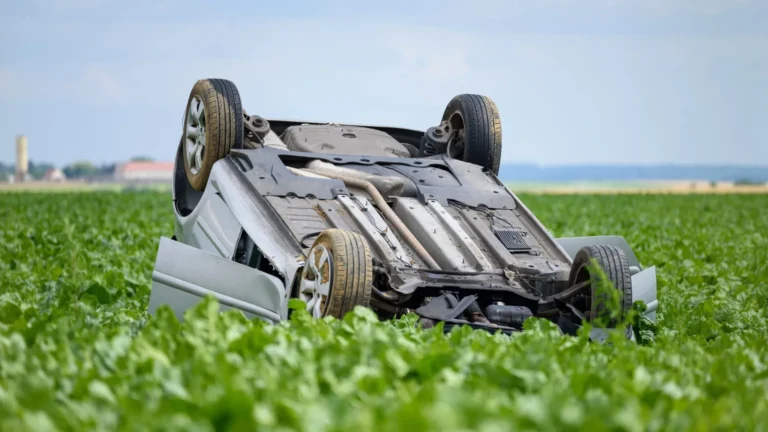
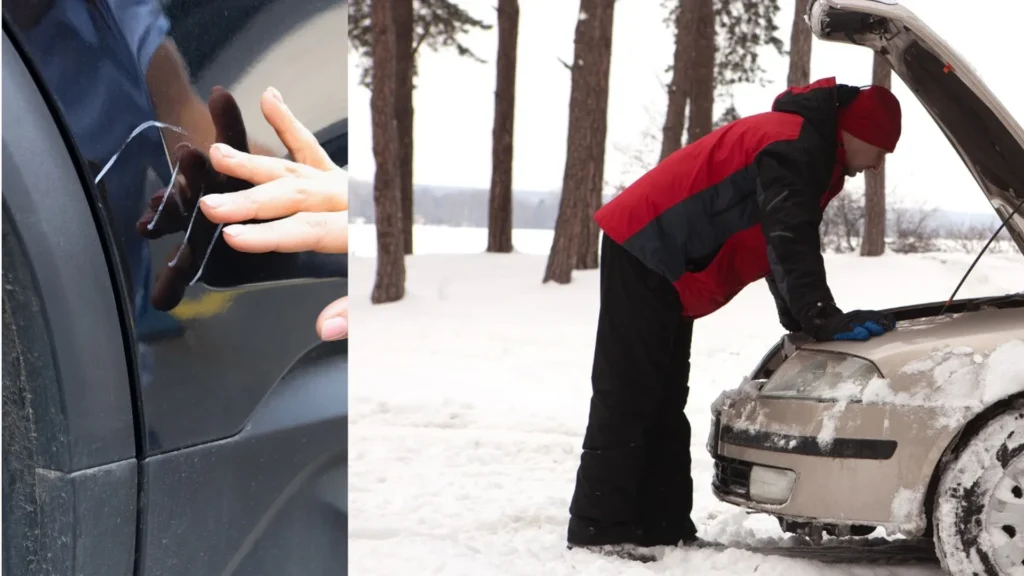
Short Answer: Wondering what affects junk car value in Maine? The primary factors include the current market price of scrap metal, the severity of rust damage caused by MaineDOT’s winter road treatments, and the local demand for specific used parts. Four-wheel-drive trucks and SUVs generally command higher prices due to local demand, while vehicles with severe undercarriage rot or missing titles (especially for 2001 and newer models) will see a massive decrease in value.
Introduction
If you have a damaged, high-mileage, or non-running vehicle sitting in your driveway, sinking into the mud, you are probably wondering exactly what affects junk car value in Maine. In the Pine Tree State, a junk car’s worth is not simply pulled out of thin air. Instead, it is determined by a unique, localized combination of climate impacts, the current demand for winter-ready automotive parts, scrap metal commodities pricing, and strict state regulations regarding titles and environmental recycling.
For many Maine residents, getting rid of a junk car is a chore that gets pushed off until the vehicle has become an eyesore or a hazard. However, understanding the valuation process can help you set realistic expectations and ensure you are getting the best possible payout for your clunker. While an aging, front-wheel-drive sedan with severe rust and a blown motor might only fetch a basic scrap weight price, a heavily damaged pickup truck with a salvageable transmission, intact four-wheel-drive system, and usable catalytic converter could be worth significantly more. In this comprehensive guide, we will break down everything you need to know about junk car valuation in Maine, from the impact of road salt to navigating the Bureau of Motor Vehicles.
Honest Local Context: Why Maine’s Climate Makes a Massive Difference
Maine’s environment is notoriously tough on vehicles. From the freezing temperatures of Aroostook County to the salty sea air along the coast in Washington and Hancock counties, cars here endure significant wear and tear. However, the absolute biggest enemy of vehicle longevity—and ultimately, the biggest detractor from a junk car’s value in Maine—is the road salt, brine, and anti-icing chemicals used during the long winter months.
According to MaineDOT winter road salt and snow-and-ice guidance, extensive chemical treatments are absolutely necessary to keep roads safe and passable during intense Nor’easters. While these treatments save lives, they are incredibly destructive to automotive steel. The chemical mixtures accelerate corrosion on vehicle undercarriages, exhaust systems, brake lines, and body panels. When spring arrives, the state’s infamous “mud season” further traps moisture and corrosive dirt in the hidden crevices of a vehicle’s frame.
This environment creates a dual reality for junk cars in Maine. On one hand, vehicles succumb to structural rust much faster than they would in warmer, drier climates. It is incredibly common for a Maine car to fail its annual state safety inspection due to frame rot long before its engine or transmission gives out. On the other hand, the constant battle against winter weather means that certain parts—like four-wheel-drive transfer cases, robust suspension components, and winter tires—are always in extremely high demand on the secondary market.
Key Factors: What Affects Junk Car Value in Maine?
To understand exactly what affects junk car value in Maine, we need to look closely at both the physical condition of the vehicle and the mechanics of the local auto recycling market.
The Impact of Severe Rust and Corrosion (Lowers Value)
Rust is the undisputed number one value killer for junk cars in Maine. While cosmetic surface rust on a fender or a door panel might not drastically alter a salvage quote, structural rot on the frame, floorboards, rocker panels, or subframe absolutely will. Severe rust makes dismantling a vehicle dangerous, unpredictable, and labor-intensive for salvage yards, as bolts snap and structural integrity fails on the lift. Furthermore, if the body panels are rusted completely through, they cannot be resold to body shops as replacement parts. If your vehicle has spent a decade or more driving through MaineDOT’s winter salt mixtures without the benefit of regular undercarriage washes or fluid film treatments, you should expect its value to lean much closer to its raw scrap metal weight rather than a premium parts-out value.
High Demand for SUV, Truck, and 4×4 Parts (Raises Value)
Mainers love and rely on their trucks and all-wheel-drive SUVs. The absolute necessity of navigating deep snow, ice-covered hills, and muddy, unpaved backroads means that vehicles like the Subaru Outback, Ford F-150, Chevy Silverado, Jeep Grand Cherokee, and Toyota Tacoma dominate the state’s roadways. Consequently, there is a massive, year-round secondary market for parts from these specific vehicles.
If you are junking a 4×4 truck that was recently totaled in a front-end collision but still has an intact rear axle assembly, a functional four-wheel-drive transfer case, or a strong running engine, its salvage value will be significantly higher than that of a front-wheel-drive compact economy car of the exact same age. When parts can be quickly removed and resold to get another Maine driver’s truck back on the road before winter hits, the initial purchase offer for your junk vehicle rises.
Scrap Metal Market Prices (Raises or Lowers Value)
The baseline floor value of any junk car is determined by the current global and regional market price of scrap steel, aluminum, and copper. When global demand for recycled scrap metal is high, the baseline price for your junk car goes up, regardless of its mechanical condition. When the market dips, purchase offers will naturally follow suit. Scrap yards and auto recyclers in Maine process end-of-life vehicles by the ton, paying close attention to the gross weight of the car. Larger, heavier vehicles like older vans, full-size SUVs, and heavy-duty trucks will naturally yield a higher baseline scrap value than smaller, lighter economy cars.
Missing or Aftermarket Catalytic Converters (Lowers Value)
Catalytic converters contain precious metals like platinum, palladium, and rhodium, which are required to filter toxic exhaust gases. Because of these rare metals, the catalytic converter is often the single most valuable component on a junk car. If your vehicle’s factory original (OEM) catalytic converter has been stolen in a driveway, previously removed by a mechanic, or replaced with a cheap aftermarket alternative, the overall salvage quote will drop significantly. Buyers check for OEM logos and serial numbers to confirm value. Additionally, Maine DEP motor vehicle recycling rules closely monitor the proper processing, documentation, and recycling of these emissions components to ensure environmental safety and combat rampant converter theft.
Location and Towing Access (Raises or Lowers Value)
Maine is a massive, rural state. If your junk car is located deep in the woods down a miles-long, unplowed dirt road, the cost of extracting it increases. Tow truck operators face significant challenges accessing vehicles that have sunk to the axles in mud or are surrounded by overgrown brush. If the vehicle is easily accessible on a paved driveway in a centralized location, the logistics are cheaper, which can preserve your payout.
Title Rules in Maine: A Major Value Factor
Having a clear, valid, and properly assigned title is one of the most critical factors in securing a top-dollar, hassle-free offer for your junk car. Without a title, transferring ownership legally becomes a massive headache, and many reputable buyers simply will not purchase the vehicle due to liability and state laws.
The 2001 and Newer Rule (Crucial Update)
There is a widely circulated, common misconception that Maine has a blanket 15-year title exemption for all older vehicles. This is no longer accurate and relying on this outdated information will delay your sale.
According to the official guidelines from the Maine Secretary of State (SOS) and the Bureau of Motor Vehicles (BMV), the title laws have been strictly updated. As of January 1, 2026, all vehicles with a model year of 2001 or newer absolutely require a valid title to be legally sold, transferred, or scrapped. If you are trying to junk a 2005 Honda Civic, a 2008 Chevy Malibu, or a 2012 Ford Explorer, you must provide a title.
If your vehicle is older than the 2001 model year (for example, a 1999 Toyota Camry), it falls under the grandfathered exemption, and you can generally sell it with a proper, notarized bill of sale and a valid prior registration. However, even if your older vehicle is technically exempt, possessing the title guarantees a smooth ownership transfer without additional BMV scrutiny, which buyers highly prefer.
How to Get a Duplicate Title in Maine
If your vehicle falls into the 2001 or newer category and you have lost the title, you will need to request a duplicate before finalizing a sale. The Maine duplicate title process involves filling out an application (Form MVT-8) and submitting it to the BMV, either by mail or in person at a branch office, along with the required processing fee.
Important Note on Liens: If you originally financed the car, ensure the lien has been formally released. Even if you paid off the loan ten years ago, if the bank is still listed on the title record and you don’t have a lien release letter, you cannot sell the car. Securing the title and clearing any liens restores your vehicle’s full salvage value.
How Failed State Police Inspections Impact Value
Maine requires strict annual safety inspections overseen by the Maine State Police. These rigorous inspections check everything from brake pad thickness and tire tread depth to the structural integrity of the vehicle’s frame, steering components, and emissions systems.
It is incredibly common in Maine for aging vehicles to fail inspection due to severe rust holes in the rocker panels, dangerously corroded brake lines, or persistent check engine lights indicating failed emissions monitors. When a car fails this inspection and the quoted repair costs exceed the vehicle’s actual operational market value, it effectively becomes a “junk” car overnight.
While failing a safety inspection doesn’t automatically drop the vehicle’s underlying scrap or parts value, it severely limits your pool of potential buyers. You can no longer legally drive the car on public roads to sell it to a private party or drive it to a dealership for a trade-in. This means you must rely entirely on buyers who offer professional towing services. Fortunately, CashSellCar specializes in these exact scenarios, providing fast, free towing for vehicles that are no longer road-legal.
Step-by-Step: How to Determine Your Junk Car’s Worth in Maine
If you are ready to figure out exactly what your old clunker is worth, follow this straightforward, step-by-step assessment process before requesting an offer.
Step 1: Assess the Damage and Rust Authentically
Take a thorough walk around your vehicle. Note any missing exterior parts, shattered glass, deployed airbags, or major body dents. More importantly, get a strong flashlight and look underneath the car. Is the frame solid black metal, or is it flaking away in large chunks of brown rust? Are there visible holes in the floorboards? Be completely honest about the condition when requesting a quote to ensure the offer you receive is accurate and guaranteed.
Step 2: Check for High-Demand Salvageable Parts
Does the vehicle have a brand-new, barely used set of studded winter tires? Did you just spend money replacing the alternator, starter, or transmission a few months ago? Make a detailed note of major mechanical components that are in excellent working order. This is especially critical if you are selling a highly desirable truck, SUV, or crossover.
Step 3: Locate and Verify Your Paperwork
Check your files, safe, or glovebox for the vehicle’s official certificate of title. Remember the golden rule: if it is a 2001 model year or newer, the title is mandatory for the sale. Ensure the name printed on the front of the title matches your government-issued ID exactly. If there are multiple owners listed with “AND”, all parties must be present to sign.
Step 4: Understand Environmental Guidelines (Do Not Drain Fluids Yourself)
While it might seem helpful to prep a car for scrap, Maine DEP motor vehicle recycling rules dictate very strict, heavily regulated guidelines for handling hazardous automotive fluids like antifreeze, synthetic oil, transmission fluid, and brake fluid. Unless you are a certified mechanic with proper catchment systems, do not attempt to drain fluids yourself. Leave the vehicle intact and let the licensed recycling professionals handle the environmental compliance safely.
Step 5: Get a No-Obligation Quote from CashSellCar
Once you have the vehicle’s accurate details (Year, Make, Model, Mileage, and physical condition) and your title in hand, you are ready to get a price. Contact CashSellCar to receive a guaranteed offer based on real-time Maine market data.
Decision Framework: Should You Repair, Scrap, or Request an Offer?
Deciding what to do with a deteriorating, high-mileage vehicle can be highly stressful, especially when a mechanic hands you a massive repair estimate. Use this decision framework and comparison checklist to guide your choice.
Comparison Table: Repair vs. Scrap vs. Sell to CashSellCar
| Action | When It Makes Sense | Pros | Cons |
|---|---|---|---|
| Repair & Keep | The vehicle has lower mileage, a completely clean frame, and the total repair costs are less than three months of a new car payment. | You retain a reliable vehicle; you avoid taking on new auto loan debt at high interest rates. | High risk of discovering hidden rust damage once the mechanic starts removing bolts. |
| Tow to a Scrap Yard | The vehicle is completely stripped of parts, crushed by a falling tree, or burned out. Only raw, mangled metal remains. | Quick disposal of a dangerous, undrivable hazard on your property. | You usually have to pay out of pocket for the tow; you receive the lowest possible payout based purely on raw metal weight. |
| Request an Offer from CashSellCar | The vehicle failed state inspection, has high mileage, a blown engine, severe body rust, but is still largely intact. | Free professional towing from your driveway; fair market payout based on parts and weight combined; zero hassle. | You are parting ways with the vehicle permanently and must cancel registration. |
The “50% Rule” Checklist
Before pouring hard-earned money into a rusty Maine vehicle, ask yourself these crucial questions:
- [ ] Does the quoted cost of repairs to pass the Maine State Police inspection exceed 50% of the vehicle’s current Kelly Blue Book private party value?
- [ ] Is there visible structural rust on the primary frame, strut towers, or subframe?
- [ ] Is the engine knocking, burning oil, or is the transmission slipping heavily?
- [ ] Will the vehicle also need an expensive new set of winter tires to be safely driven this season?
The Verdict: If you checked “Yes” to two or more of these questions, the vehicle has likely reached the end of its economic life. Continuing to repair it will be a losing battle, and requesting a cash offer is the most financially sound decision you can make.
Frequently Asked Questions (FAQ)
Does a missing title ruin my junk car’s value in Maine?
If your vehicle is model year 2001 or newer, a missing title effectively halts the sale because the car cannot be legally transferred, dismantled, or scrapped without it. You must obtain a duplicate title from the BMV first. If the vehicle is older than 2001, you can legally sell it with a notarized bill of sale and valid prior registration, so the monetary value is less affected, though having the title is always preferred.
Will I get paid more if I figure out how to drive the car to you?
No, you do not need to risk driving a dangerous vehicle. CashSellCar offers free, professional towing with every single purchase. You do not need to worry about illegally driving an unsafe, uninspected, or uninsured vehicle on Maine roads. The quote we provide automatically includes the cost of pickup.
Do you buy cars that failed the Maine State Police safety inspection?
Absolutely. A very large percentage of the vehicles we purchase across Maine are cars and trucks that have recently failed their annual inspection due to severe frame rust, emissions issues, or major mechanical component failure. We buy them exactly as-is.
How does winter road salt specifically affect my quote?
Vehicles that have been driven in Maine for a decade or more without professional oil undercoating typically have severe undercarriage rust. This can lower the value because the mechanical parts cannot be safely salvaged by recyclers, and the structural integrity is fully compromised. We base our quotes on the realistic, physical condition of the vehicle.
What happens to my car after it is towed away from my driveway?
Depending on its specific condition, year, and make, the vehicle will either be safely dismantled so usable parts can be recycled back into the repair market, or it will be crushed and recycled for its base metals. This entire process is done in strict accordance with Maine DEP motor vehicle recycling rules to protect local soil and groundwater from hazardous fluids.
Do I need to remove my Maine license plates before the tow truck leaves?
Yes. Before the tow truck operator pulls away from your property, you must remove both your front and rear Maine license plates. You should also cancel your active registration with your local town office or the BMV and notify your auto insurance company to stop coverage.
How quickly can I get my vehicle picked up in Maine?
In most cases, we can easily schedule a pickup within 24 to 48 hours of you accepting our offer. Our network of local towers is familiar with Maine’s unique geography, backroads, and seasonal access issues.
Sources Used for This Article
To ensure our customers have the most accurate, compliant, and up-to-date information, we referenced several official Maine state regulatory bodies while compiling this valuation guide:
- Maine Secretary of State (SOS) / Bureau of Motor Vehicles (BMV): Consulted directly for current, verified title requirements, specifically the legal mandate that all vehicles model year 2001 and newer must have a title for ownership transfer, as well as the exact duplicate title application (MVT-8) process.
- Maine State Police: Referenced for official motor vehicle inspection rules, safety standards, and failure criteria that commonly lead to older vehicles being classified as junk.
- Maine Department of Environmental Protection (DEP): Consulted regarding official motor vehicle recycling rules, hazardous fluid disposal regulations, and strict environmental compliance requirements during the scrapping and dismantling process.
- Maine Department of Transportation (MaineDOT): Referenced for winter road salt application policies, anti-icing chemical usage, and snow-and-ice guidance that directly contribute to severe, accelerated vehicle rust in the state.
Ready to Sell? Contact CashSellCar Today
Understanding exactly what affects junk car value in Maine is the very first step toward getting a fair, honest, and transparent deal for your end-of-life vehicle. Whether your trusty pickup truck has finally succumbed to years of corrosive road salt or your daily commuter sedan just failed its annual safety inspection due to frame rot, we are here to help you move forward.
What CashSellCar Does: We provide straightforward, highly competitive, and fully transparent offers for junk, damaged, and high-mileage vehicles in communities across the entire state of Maine. We carefully evaluate the current regional scrap market, the specific demand for your vehicle’s salvageable parts, and its true physical condition to give you the best possible price.
What the Seller Needs to Do: Simply have your vehicle details ready (Year, Make, Model, Mileage), locate your physical title (essential and mandatory for 2001 and newer vehicles), and take a few minutes to remove your personal belongings and trash from the interior.
What Happens at Pickup: Our fully vetted, professional towing partners will arrive at the scheduled time, briefly verify the vehicle’s condition and your ownership paperwork, hand you your guaranteed payment at pickup, and securely tow the car away for free.
What the Seller Should Verify Afterward: Always ensure you have removed your license plates before the truck leaves, and remember to officially cancel your insurance policy and registration after the sale is complete.
Don’t let a deteriorating, rusty car take up valuable space in your yard or sink further into the spring mud. Let the automotive professionals handle the towing logistics, the environmental recycling, and the paperwork.
To get your free, guaranteed, no-obligation offer today, explore our Maine services or learn more about our simple process by visiting how it works.
Call us now at 1-844-512-0697 or email contact@cashsellcar.com to get started!
Ready to see what your car is worth?
Get a real online offer with free towing and no obligation.
Get my instant offer