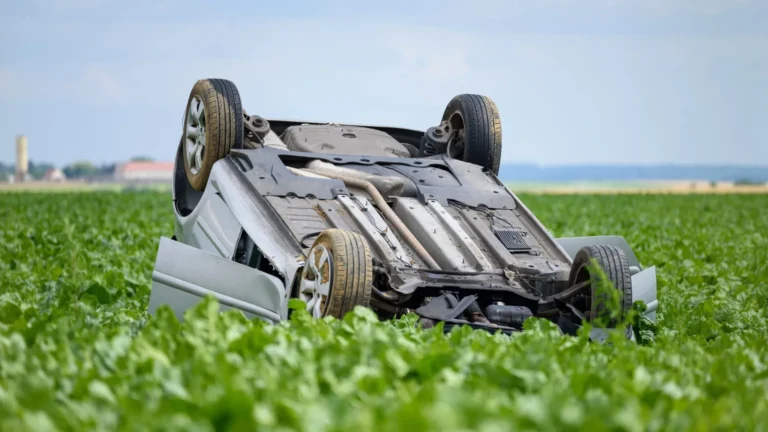

Short Answer: If you are trying to sell a rusted car in Maine, your best path forward depends entirely on whether the rust is purely cosmetic or deeply structural. Surface rust is ugly but manageable, whereas deep structural frame rot will cause your vehicle to immediately fail the mandatory Maine State Police safety inspection, wiping out its resale value to private, everyday buyers. CashSellCar purchases rusted, rotted, and un-inspectable vehicles across Maine. We handle the towing for free, guide you through the strict state title requirements, and provide a fair offer so you don’t have to deal with failing frames, expensive welding repairs, or picky online buyers.
Maine winters are famous for their sheer intensity, and while the snow is beautiful, it is brutally destructive to motor vehicles. The combination of heavy snowfall, prolonged freezing temperatures, and the MaineDOT’s extensive use of road salt and liquid de-icing brines means that vehicles in the Pine Tree State endure a relentless chemical assault. Over time, that salt inevitably leads to severe oxidation and rust. For many Maine vehicle owners, a rusted car isn’t just an eyesore; it becomes a massive mechanical liability and a legal headache when inspection time rolls around.
Whether you are dealing with a heavily rusted out pickup truck in Bangor, an older commuter sedan with bubbling wheel wells in Portland, or an SUV failing its safety inspection for frame rot in Augusta, you are likely wondering what your realistic options are. Can you still sell it legally? Should you try to pay a body shop to fix it? Will anyone even buy a car that cannot pass a state inspection? In this comprehensive guide, we will break down exactly how to sell a rusted car in Maine, explain the critical difference between cosmetic and structural rust, and outline everything you need to know about Maine’s updated title and inspection laws.
Sell a Rusted Car in Maine: Why Rust is a Major Problem
To fully understand why selling a rusted car in Maine requires a specific approach, you have to look at both the harsh local environment and the strict state laws governing vehicle safety.
The Corrosive Impact of MaineDOT Road Salt and Brine
During intense winter storms and freezing rain events, the Maine Department of Transportation (MaineDOT) utilizes thousands of tons of road salt, salt brine, and other highly effective chemical de-icing agents to keep state highways and local roads safe and passable. While this is absolutely essential for winter driving safety and commerce, these chemical solutions are aggressively corrosive to the bare metal components of automobiles.
When salt water and slush splash up into a vehicle’s undercarriage and sit trapped inside frame rails, crossmembers, and wheel wells, it accelerates the oxidation process exponentially. Because it is often too cold to regularly wash vehicles during a Maine winter, this corrosive slush can sit for months, causing the metal to rust, flake, and eventually rot completely away.
Failing the Strict Maine State Police Safety Inspection
Maine is one of the states that requires a rigorous, annual motor vehicle safety inspection, which is overseen and regulated by the Maine State Police. This inspection is stringent, and mechanics take it very seriously because their inspection licenses are on the line. While minor surface rust on a door panel or a scratched bumper might not cause your vehicle to fail, structural rust absolutely will.
During an annual inspection, licensed mechanics will put your vehicle on a lift and aggressively check the vehicle’s frame, unibody construction, subframes, floorboards, and critical suspension mounting points. They will often tap the frame with a hammer to listen for solid metal versus rotting flakes. If there is rust perforation (holes where there shouldn’t be holes) or severe scaling that compromises the structural integrity of these critical safety components, the vehicle fails instantly.
A vehicle that cannot pass a Maine State Police safety inspection cannot be legally driven or registered for road use. This makes it exceptionally difficult to sell to a private party, as most everyday buyers are looking for a reliable daily driver they can register immediately, not a major project vehicle.
Cosmetic Rust vs. Structural Frame Rot: Knowing the Difference
Before you make any decisions about how to sell your vehicle, you need to assess the severity of the rust. Not all rust is created equal, and understanding the difference is key to knowing your vehicle’s remaining value.
Surface Rust (The “Ugly” Rust)
Surface rust occurs when the clear coat and paint break down—often due to minor stone chips, deep scratches, or prolonged UV exposure—and the bare steel underneath is exposed to moisture and air. You will typically see this on:
- Hoods and roof panels
- Outer door panels
- Fender lips and the edges of wheel arches
The Verdict: Surface rust is largely a cosmetic issue. While it significantly lowers the aesthetic appeal and retail value of your car, it generally won’t cause you to fail a Maine safety inspection, provided there are no sharp, jagged metal edges protruding that could pose a hazard to pedestrians.
Scale Rust (The Warning Sign)
If surface rust isn’t addressed promptly, the oxidation penetrates deeper into the metal panel, causing the steel to flake and scale away. You might see the paint bubbling up in large patches or deep pitting in the metal surface.
The Verdict: Scale rust is a serious warning sign. It cannot simply be sanded and painted over; it often requires a body shop to cut out the affected metal and weld in patch panels to fix properly. If scale rust is present on the frame or structural components, you are dangerously close to a catastrophic failure and a failed inspection.
Penetrating Rust and Frame Rot (The “Unsafe” Rust)
This is the end stage of rust, and it is a common sight in Maine salvage yards. The metal has completely oxidized, leaving gaping holes and structurally weak areas. When this happens to the vehicle’s undercarriage, it is commonly referred to as frame rot.
- Floorboards: The metal floor pans rust through, allowing exhaust fumes and water into the cabin. You might literally be able to see the pavement below you.
- Frame Rails and Unibody Structure: The structural backbone of the vehicle is compromised, meaning the car could literally fold or snap in a collision.
- Suspension Mounts: Strut towers, leaf spring shackles, and control arm mounts can rust through and break off while driving, causing total loss of control.
- Brake and Fuel Lines: Rusted steel brake lines can suddenly burst under pressure, leading to complete brake failure.
The Verdict: Penetrating rust on structural components makes the vehicle fundamentally unsafe to drive. It will fail a Maine safety inspection immediately. Repairing frame rot requires extensive custom fabrication and welding, which is exceptionally expensive and almost never worth the financial cost on an older, high-mileage vehicle.
Decision Framework: Should You Repair, Scrap, or Request an Offer?
If you are staring at a rusty, deteriorating car in your driveway and debating your next move, use this simple decision framework to determine your best course of action:
When to Repair the Rust
- The rust is purely cosmetic surface rust that hasn’t penetrated the metal.
- The vehicle is a highly sought-after classic, a rare model, or holds immense sentimental value that justifies a financial loss on repairs.
- The cost of professional rust repair, welding, and repainting is substantially less than the overall market value of the car.
- The vehicle’s mechanical health is excellent, and it still easily passes the Maine State Police safety inspection.
When to Scrap or Recycle the Vehicle
- The frame or unibody structure is completely rotted out, making it exceptionally dangerous to even move or tow safely.
- The engine is blown, the transmission is slipping, and the body is rotting simultaneously.
- The vehicle has been sitting neglected in a field for over a decade, sinking into the mud, and the interior is heavily deteriorated by rodents and mold.
- Important Note on Scrapping: If you choose to sell to a local scrap facility, ensure the business is reputable and complies strictly with Maine Department of Environmental Protection (DEP) motor vehicle recycling rules for draining hazardous fluids (oil, coolant, freon) safely to protect Maine’s groundwater.
When to Request an Offer from CashSellCar
- The vehicle has officially failed a Maine safety inspection due to frame rot or rust perforation, but the engine still runs or the vehicle is fully intact.
- The quoted cost from a welding shop to patch the frame or replace rotted floorboards vastly exceeds what the car is actually worth.
- You simply do not want the massive headache of listing a “mechanic’s special” or “parts only” car online and dealing with endless lowball buyers who show up expecting a perfect, road-ready car.
- You want a fast, guaranteed, professional transaction with free towing directly from your Maine property.
At CashSellCar, we are experts at evaluating vehicles that have reached the end of their usable life. We routinely buy rusted vehicles for their remaining parts and recyclable materials. You can learn more about how it works and see how simple it is to get a real offer.
Important Maine Title Rules You Must Know
When selling any vehicle in Maine—even a rusted-out one heading for salvage—you absolutely must follow the Maine Bureau of Motor Vehicles (BMV) title rules. Failure to do so can delay the sale or leave you legally liable for the vehicle after it leaves your property.
Critical Title Rule Update (IMPORTANT):
For many years, Mainers operated under a “15-year exemption” rule for titles, believing that older cars did not require a title to be sold. It is vital to know that the laws have changed. As of January 1, 2026, vehicles with model year 2001 or newer require a title to legally transfer ownership in the state of Maine. The old rolling 15-year exemption is no longer applicable.
- If your rusted car is a 2001 or newer: You must possess the original Maine certificate of title, issued in your name, to legally sell the vehicle to us, a private buyer, or any legitimate scrapyard.
- If you lost your title: You cannot simply write a bill of sale. You will need to apply for a duplicate title through the Maine BMV and wait for it to arrive before you can legally sell the vehicle.
- If your car is a 2000 or older: A title is generally not required under the current statutes, but you must provide a valid, signed bill of sale and preferably a copy of the previous Maine registration to definitively prove ownership and chain of custody.
Never attempt to sell a 2001 or newer vehicle without the title in hand, and be extremely wary of any buyer or “tow guy” who says they don’t need one. We are a professional operation and strictly require proper, legal documentation to ensure a smooth, liability-free transaction for our customers.
How to Sell Your Rusted Car in Maine: Step-by-Step
Ready to finally move on from that rusty, un-inspectable vehicle? Here is the clear, step-by-step process for selling it legally and easily in Maine.
Step 1: Clean Out the Vehicle Thoroughly
Even if you know the car is heading straight to an auto recycling facility, you must remove all personal belongings, trash, and sensitive documents. Check the glovebox for old insurance cards, look under the seats, and empty the trunk. If you plan to remove aftermarket stereos or specific expensive parts, be aware that removing major components will lower your final cash offer, as we base our pricing on the complete vehicle.
Step 2: Gather and Verify Your Ownership Documents
Locate your Maine Certificate of Title immediately. Remember the new rule: 2001 and newer vehicles absolutely require a title. Make sure the title is issued in your current legal name and is entirely free of any active bank liens. If there was a loan on the vehicle in the past, ensure you have the official lien release document from the bank to accompany the title.
Step 3: Assess the Vehicle’s Condition Honestly
When you contact us to request an offer, be prepared to describe the rust severity accurately. Be honest if the frame is completely rotted, if it explicitly failed a recent state inspection, and if there are any other catastrophic mechanical issues. Honest, accurate descriptions ensure the offer you receive over the phone or online is exact and won’t need to be adjusted by the tow driver at pickup.
Step 4: Get an Offer from CashSellCar
Reach out to our team for a fast, no-obligation quote. We use advanced pricing models that factor in the wholesale value of the vehicle’s remaining good parts (like a strong engine or intact glass), its scrap metal weight, and current localized market conditions in New England.
Step 5: Schedule Free Towing
If your rusted car isn’t safe to drive or isn’t street legal due to a failed or expired inspection sticker, do not risk driving it and getting pulled over. CashSellCar includes free towing from almost anywhere in Maine—whether it’s parked in a suburban driveway in Lewiston, sitting in a field in rural Aroostook County, or tucked behind a garage in Biddeford.
Step 6: Complete the Sale and Remove Your Plates
When our dispatched tow driver arrives at your location, they will do a brief walk-around to verify the vehicle matches the description provided and carefully check your title for accuracy. You will then sign over the title (do not sign it beforehand, as errors can void the document) and receive your payment at pickup.
Crucial Step: Always remove your Maine license plates before the vehicle is hooked up and towed away. Maine law dictates that plates belong to you, not the car. You must either transfer those plates to your next vehicle or return them to a local BMV branch to officially cancel the registration.
Rusted Car Selling Options: A Comparison Checklist
When deciding how to offload a vehicle with significant rust, it helps to compare your options side-by-side.
| Feature / Benefit | Private Online Buyer | Local Scrap Yard | CashSellCar |
|---|---|---|---|
| Buys cars with failed inspections? | Rarely (buyers want drivable cars) | Yes | Yes (we specialize in this) |
| Payment structure | Often haggles down on site | Based strictly on raw metal weight | Based on reusable parts & metal value |
| Provides free towing? | No (you must arrange transport) | Sometimes (often deducts fee from payout) | Yes, always 100% free |
| Handles complex BMV paperwork? | No (leaves liability risk on you) | Yes | Yes |
| Speed of transaction | Can take weeks of annoying messages | A few days | Usually 24-48 hours |
Frequently Asked Questions
Can I legally drive a car with frame rot in Maine?
Absolutely not. A vehicle with frame rot, rusted structural crossmembers, or severe rust perforation will instantly fail the mandatory Maine State Police safety inspection. Driving an uninspected, fundamentally unsafe vehicle on public roads is illegal and can result in hefty traffic citations, and the vehicle may be impounded by law enforcement if deemed an immediate hazard.
Do I need a title to sell my rusted car in Maine?
As of January 1, 2026, you must possess a valid title to sell any vehicle that is model year 2001 or newer in the state of Maine. If your vehicle is model year 2000 or older, a signed bill of sale and the previous registration document are typically sufficient to prove ownership.
Will a junkyard buy my car without a title in Maine?
Legitimate, state-licensed salvage yards and auto recyclers in Maine are heavily regulated and must follow state BMV laws. They cannot and will not legally buy a 2001 or newer vehicle without a valid, lien-free title present in the seller’s name. Do not trust operations that claim they can bypass this law.
My car runs perfectly but failed inspection just for rust. Is it worth anything?
Yes! A vehicle with a strong running engine, a good shifting transmission, intact airbags, and usable interior panels still retains significant value in its salvageable parts, even if the underlying frame is rusted beyond safe repair. We evaluate the entire vehicle holistically, not just the body condition, to ensure we give you the most accurate and fair offer possible.
Does CashSellCar pick up vehicles in rural Maine?
Yes, we coordinate towing logistics across the entire state of Maine. As long as the vehicle is reasonably accessible for a standard flatbed or wrecker tow truck (for example, it is not buried deep in the woods without a cleared path, or locked behind an inaccessible gate), we can successfully arrange for pickup.
What exactly should I do with my Maine license plates after the sale?
You must physically unscrew and remove your license plates before the tow truck takes the vehicle. Maine state law requires you to either transfer those plates to a newly purchased vehicle or return them directly to the Bureau of Motor Vehicles (BMV) to formally cancel the active registration and avoid future excise tax liabilities.
Trust Cues: Why Work with CashSellCar?
- What we do: We buy less-than-perfect, rusted, and end-of-life vehicles directly from consumers, providing a streamlined, professional alternative to private sales.
- What you need: You simply need the vehicle, the keys, and the proper ownership documentation (Title for 2001+, Bill of Sale for 2000 and older).
- What happens at pickup: A professional tow operator arrives, verifies the paperwork, hands you your payment, helps you remove your plates, and safely removes the vehicle from your property.
- What you should verify: Always verify that you have your title ready, that your name matches the front of the title exactly, and that any past bank liens have been officially released.
Sources Used for This Article
To ensure the highest level of accuracy and helpfulness for Maine residents, the following official entities and state regulations were directly consulted in the creation of this educational guide:
- Maine Bureau of Motor Vehicles (BMV): Consulted for all current vehicle title transfer requirements, explicitly including the January 1, 2026 update regarding 2001 and newer models, as well as the official duplicate title application processes.
- Maine State Police: Consulted for the official motor vehicle safety inspection standards, specifically regarding structural integrity, rust perforation, and frame rot failures.
- Maine Department of Environmental Protection (DEP): Consulted for strict state guidelines on the proper environmental recycling, fluid drainage, and safe disposal of end-of-life motor vehicles.
- Maine Department of Transportation (MaineDOT): Consulted for public information regarding winter road maintenance strategies, salt application, and the use of corrosive de-icing chemicals on state infrastructure.
Sell a Rusted Car in Maine to CashSellCar Today
Do not let a rusted, un-inspectable, and unsafe vehicle take up valuable space in your driveway or yard for another long, snowy Maine winter. Trying to sell a structurally compromised, rusted-out car privately is incredibly stressful, time-consuming, and potentially legally risky if the buyer attempts to drive an unsafe vehicle. CashSellCar provides a safe, fully legal, and completely hassle-free way to sell your rusted vehicle right now.
We understand exactly the toll that Maine winters and road salt take on cars, and we confidently buy vehicles in all conditions—running perfectly or not starting at all, freshly inspected or completely failed for frame rot. We provide honest and fair cash offers, we handle the complex title transfer paperwork properly to protect you from liability, and we always tow the vehicle away completely for free.
Ready to finally get rid of that rusty car and put some money in your pocket?
Call our dedicated team today at 1-844-512-0697 or email us directly at contact@cashsellcar.com to get your offer and schedule your free Maine pickup.
Ready to see what your car is worth?
Get a real online offer with free towing and no obligation.
Get my instant offer