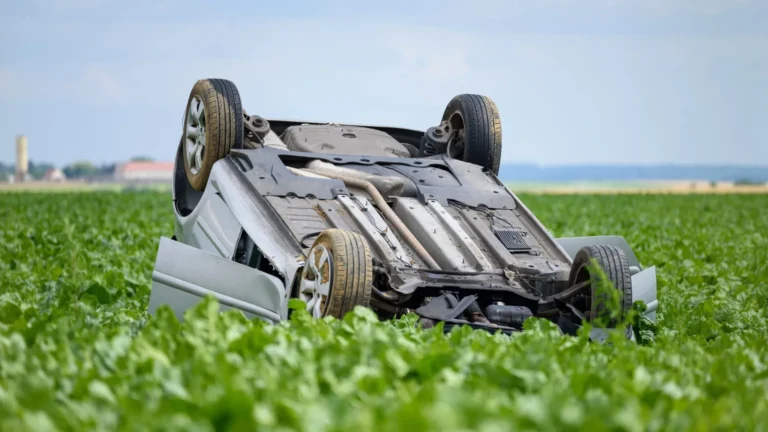

Quick Answer: Road salt and underbody rust in Maine can severely degrade a vehicle’s structural integrity, often causing it to fail the mandatory Maine State Police safety inspection. If your car has extensive frame rot or compromised suspension mounts due to MaineDOT’s winter anti-icing treatments, the cost of proper welding and repairs usually exceeds the vehicle’s value, making it a prime candidate to sell for cash as a junk car.
Dealing with road salt and underbody rust in Maine is a seasonal reality that every vehicle owner in the state eventually faces. The same rock salt and liquid brine that keep our roads safe during intense Nor’easters are incredibly aggressive on exposed automotive steel. Over time, what starts as surface oxidation can silently eat through subframes, brake lines, and rocker panels, transforming a reliable daily driver into an unsafe liability.
In this guide, we break down exactly how Maine’s winter road treatments accelerate corrosion, how to evaluate if your rusty car is still safe to drive, and when it makes financial sense to stop repairing and start considering a cash offer.
Why Maine Winters Are So Hard on Cars
Maine’s climate presents a perfect storm for automotive corrosion. With long, harsh winters and significant snowfall, maintaining safe travel conditions requires aggressive ice-management strategies. The Maine Department of Transportation (MaineDOT) utilizes a combination of traditional rock salt and liquid salt brines to prevent ice from bonding to the pavement.
While highly effective for road safety, these chloride-based de-icers are hygroscopic—they attract and hold moisture. When salty slush gets packed into the crevices of your car’s undercarriage, it creates a highly conductive environment that rapidly accelerates the electrochemical process of rusting. Every time the temperature fluctuates above freezing, the chemical reaction speeds up, quietly eating away at vital components while your car sits in the driveway.
The Impact of Liquid Brine
In recent years, the shift toward pre-treating roads with liquid brine has exacerbated rust issues. Unlike dry rock salt, which bounces off surfaces, liquid brine is designed to adhere to the road—and subsequently, it clings tenaciously to the underside of your vehicle. It seeps into enclosed frame rails, electrical connectors, and hidden cavities where traditional car washes struggle to reach.
Maine State Police Inspection Rules: When Rust Becomes a Failure
Maine law requires an annual motor vehicle safety inspection. The Maine State Police govern the rules for these inspections, and they are strict when it comes to structural integrity and rust.
A vehicle will automatically fail its Maine safety inspection if:
- There are rust holes in the floor pan that allow exhaust fumes to enter the passenger compartment.
- The frame or subframe is weakened by corrosion to the point where structural integrity is compromised.
- Suspension mounting points (like shock towers or control arm brackets) are severely rusted.
- Brake lines or fuel lines show advanced corrosion or weeping.
- Body panels have jagged, rusted edges that pose a hazard to pedestrians.
When a mechanic taps your car’s frame with a hammer and it sounds dull or flakes away in chunks, your car is no longer safe for Maine roads.
Step-by-Step: How to Assess Underbody Rust Damage
If you suspect your vehicle is succumbing to the elements, you don’t necessarily need a lift to perform a basic assessment. Follow these steps to check the severity of road salt and underbody rust in Maine:
- Safety First: Park the car on a flat, level surface, engage the parking brake, and put on safety glasses and gloves.
- Inspect the Rocker Panels and Wheel Wells: These are the lowest painted surfaces on the car. Look for bubbling paint, which indicates rust is forming from the inside out. Gently poke any suspicious areas with a screwdriver—if it easily punches through, the metal is severely compromised.
- Check the Exhaust System: Exhaust systems run hot and cold, making them highly susceptible to corrosion. Look for heavy flaking or holes in the muffler and exhaust piping.
- Examine Brake and Fuel Lines: Look behind the wheels and along the frame rails. Healthy lines are smooth. Rusted lines look scaly and swollen. If they look wet, you may already have a dangerous leak.
- Evaluate the Frame and Subframe: Look under the front and rear of the car. Surface rust (a light brown coating) is normal. However, if the metal is deeply pitted, peeling away in thick layers (scale rust), or has visible holes, the structural integrity is failing.
- Assess Suspension Mounts: Check where the struts or shocks attach to the body. Severe rust in these areas can lead to a catastrophic suspension collapse while driving.
Decision Framework: Repair, Scrap, or Request an Offer
When faced with significant rust, you have to make a tough financial decision. Use this checklist to determine your next steps:
When to Repair
- The rust is strictly cosmetic: Surface rust on easily replaceable body panels (like a bolt-on fender) can be addressed without compromising safety.
- The vehicle has high intrinsic value: If it’s a rare classic or a very late-model truck, professional rust remediation might be worth the investment.
- The frame and lines are solid: If the structural and safety components pass inspection and the rust is isolated to non-structural areas.
When to Scrap or Sell for Cash
- Failed Inspection for Frame Rot: If your car failed its Maine state inspection due to a compromised frame, the cost of professional welding and frame repair frequently exceeds $2,000 to $3,000. For an older vehicle, this is usually more than the car is worth.
- Rotted Brake or Fuel Lines: Replacing all hard lines on an older vehicle is incredibly labor-intensive. When combined with other rust issues, it’s a strong signal to let the car go.
- Persistent Electrical Gremlins: Salt water intrusion causes severe corrosion in wiring harnesses and ground points, leading to unresolvable electrical failures.
- The Repair Exceeds Vehicle Value: If the quoted repair cost to pass inspection is more than 50% of the vehicle’s fair market value, selling it as-is is the smartest financial move.
If your vehicle falls into the “Scrap or Sell” category, it’s time to request an offer. You can avoid the hassle of dealing with private buyers who will aggressively haggle over the rust damage.
Understanding Maine Title Rules for Junk Cars
Before you sell a heavily rusted vehicle, you must have your documentation in order. It is crucial to understand the current rules enforced by the Maine Bureau of Motor Vehicles (BMV).
Important Update: As of January 1, 2026, the State of Maine requires a certificate of title for all vehicles with a model year of 2001 or newer.
If your vehicle is a 2001 or newer model and you have lost the title, you cannot simply sell it with a bill of sale. You must apply for a duplicate title through the Maine BMV before transferring ownership. CashSellCar requires a valid, clear title matching the name on your driver’s license for these vehicles to complete a purchase legally.
Environmentally Responsible Disposal
When a vehicle is too rusted to save, it must be disposed of properly. The Maine Department of Environmental Protection (DEP) has strict motor vehicle recycling rules regarding the recovery of fluids, batteries, and mercury switches before a vehicle can be crushed or shredded. By selling your rusted car to a reputable buyer like CashSellCar, you ensure that the vehicle enters a compliant recycling stream, keeping toxic heavy metals and automotive fluids out of Maine’s groundwater.
Frequently Asked Questions
How does road salt cause rust?
Road salt (sodium chloride) and moisture create an electrolyte solution. When this solution contacts exposed steel on your car, it facilitates an electrochemical reaction (oxidation), rapidly converting the strong iron into weak, brittle iron oxide (rust).
Can a car fail a Maine state inspection just for rust?
Absolutely. If the inspecting mechanic determines that rust has compromised the structural integrity of the frame, subframe, suspension mounts, or if there are holes that could allow exhaust gases into the cabin, the vehicle will fail immediately.
Is it worth fixing a rusted frame?
Rarely. Repairing a rusted frame properly requires specialized welding, cutting out the rot, and fabricating new metal. It is highly labor-intensive and expensive. For most standard passenger vehicles older than 10 years, the cost of frame repair exceeds the total value of the car.
Do I need a title to sell my junk car in Maine?
As of January 1, 2026, you absolutely must have a title if the vehicle is a model year 2001 or newer. For vehicles from the year 2000 or older, you may be able to sell it with a proper Bill of Sale and valid registration, but a title is always preferred.
Will you buy my car if it has severe underbody rust?
Yes. At CashSellCar, we routinely purchase vehicles that have failed inspection due to severe underbody rust. We buy cars in any condition, whether they are running or not.
Does washing my car in the winter help prevent rust?
Yes, frequent washing (including an undercarriage spray) can help remove corrosive salt and brine. However, once rust has started in hidden cavities, washing alone cannot stop the oxidation process.
How do I get my rusted car to you?
You don’t have to worry about that. CashSellCar provides free towing for every vehicle we purchase in Maine. We will come to your location, handle the paperwork, pay you, and tow the car away safely.
Turn Your Rusted Car into Paid At Pickup
If road salt and underbody rust in Maine have finally taken their toll on your vehicle, don’t let it sit in your driveway losing value and leaking fluids. Whether it failed its state inspection due to frame rot, or you simply don’t want to invest thousands in welding and brake line repairs, CashSellCar is ready to help.
We understand the unique challenges Maine drivers face, from harsh winters to strict inspection standards. Our process is transparent, fast, and designed to relieve you of your automotive headaches.
Here is what you can expect when you choose CashSellCar:
- Fast, Fair Offers: Tell us the make, model, year, and extent of the rust damage, and we’ll give you a competitive offer based on the vehicle’s scrap and salvage value.
- Free Towing: You never pay for towing. We dispatch professional towers to safely retrieve your vehicle, even if it has collapsed suspension or flat tires.
- Clear Requirements: We guide you through the title requirements, ensuring everything complies with current Maine BMV regulations.
- Payment at Pickup: You hand over the title and keys, and we hand you your payment at pickup.
Stop stressing over repair bills and failed inspection stickers. Find out exactly how much your rusty vehicle is worth and learn how it works by reaching out to us today.
Contact CashSellCar to get your offer:
- Phone: 1-844-512-0697
- Email: contact@cashsellcar.com
Sources used for this article
- Maine Bureau of Motor Vehicles (BMV) – Title Requirements
- Maine State Police – Motor Vehicle Inspection Rules
- Maine Department of Transportation (MaineDOT) – Winter Operations and Anti-Icing Strategies
- Maine Department of Environmental Protection (DEP) – Motor Vehicle Recycling Rules
Ready to see what your car is worth?
Get a real online offer with free towing and no obligation.
Get my instant offer