
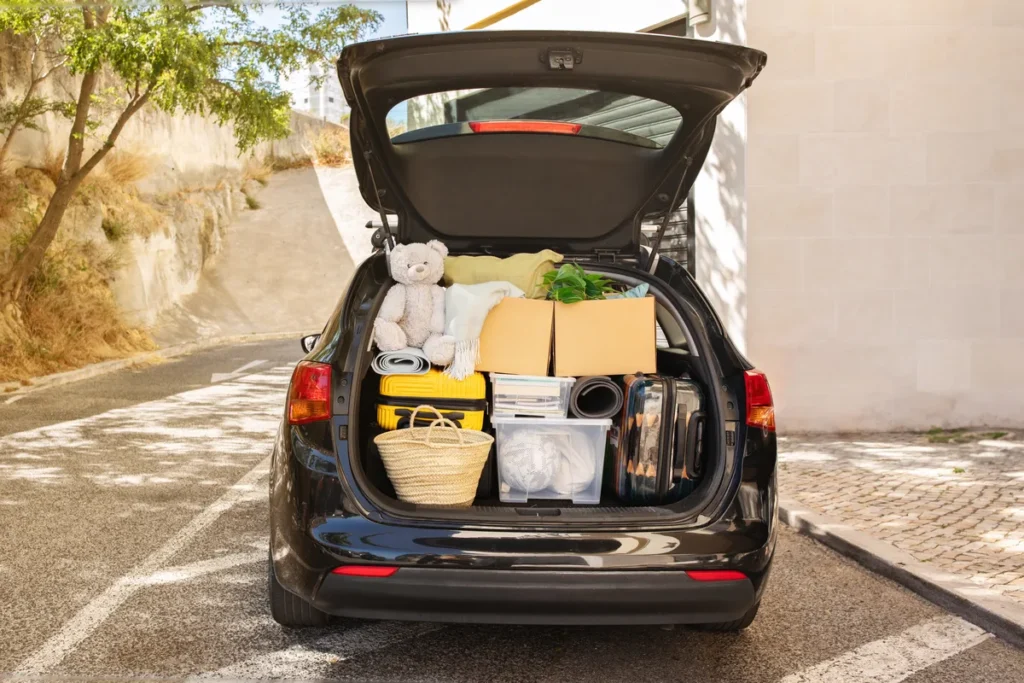
Quick answer: To register an out-of-state car in Pennsylvania you need a VIN verification, proof of Pennsylvania insurance, a completed Form MV-1 processed through an authorized agent, the out-of-state title, and payment of the title fee plus 6% sales tax (7% in Allegheny County, 8% in Philadelphia). In most cases you will also need a safety inspection, and an emissions test if your county requires one. The whole process runs through a PennDOT-authorized tag or messenger service rather than by mail, and you generally have 20 days after establishing residency to complete it.
Who Needs to Register an Out-of-State Vehicle in PA
Three groups run into this most often: people moving to Pennsylvania from another state, people who bought a vehicle out of state and drove it home, and students or military members establishing residency here. In each case the vehicle carries a title issued elsewhere, and Pennsylvania needs to bring that vehicle onto its own records before it can be legally registered and plated here. New residents are generally expected to title and register within 20 days of establishing residency, so this is not something to leave for months.
The Documents You Need
| Document | Purpose |
|---|---|
| Out-of-state Certificate of Title | Proves ownership; surrendered to PA |
| Form MV-1 (Application for Certificate of Title) | Completed by an authorized agent, not by mail |
| VIN verification | Confirms the vehicle matches the title |
| Proof of PA insurance | Must meet Pennsylvania minimums |
| Valid photo ID / PA driver’s license | Identity and residency |
| Lien release or lienholder information | If the vehicle is or was financed |
| Odometer disclosure | Required on transfer |
Step 1: Get Pennsylvania Insurance First
This trips up more people than any other step. You cannot register a vehicle in Pennsylvania on an out-of-state insurance policy — you need coverage from a carrier licensed in PA that meets Pennsylvania’s minimum liability requirements. Arrange this before your appointment, because the agent will ask for proof at the counter. If you are moving here, contacting your existing insurer about transferring the policy to Pennsylvania is usually the fastest route, since many national carriers can simply reissue the policy under PA rules.

Step 2: VIN Verification
Pennsylvania requires physical verification that the vehicle identification number on the car matches the title being surrendered. This is typically performed by an authorized PennDOT agent, a licensed inspection mechanic, or in some cases a notary authorized to do so. It is a quick visual check, but it does mean the vehicle must be physically present — you cannot complete this part remotely with paperwork alone. Plan to bring the car itself to the appointment.
Step 3: Safety Inspection and Emissions
Pennsylvania requires an annual safety inspection statewide. Many of the more populous counties — including the Philadelphia and Pittsburgh metro areas — additionally require emissions testing. An out-of-state vehicle new to Pennsylvania will generally need to pass the applicable inspections before registration is issued. If the car has an active check engine light, expect an emissions failure, since the test reads the onboard diagnostics; our guide on selling a car with the check engine light on covers what that means if the repair is not worth making.
Step 4: Title, Tax, and Plates at an Authorized Agent
With insurance, VIN verification, and inspection handled, the transaction itself happens at a PennDOT-authorized tag or messenger service. They complete Form MV-1, collect the out-of-state title, calculate and collect the title fee and sales tax, and issue your Pennsylvania registration and plates. Sales tax is 6% statewide, 7% in Allegheny County, and 8% in Philadelphia, based on the purchase price or the vehicle’s value. Our breakdown of what it costs to register a car in Pennsylvania details each charge.
If You Just Bought the Car Out of State
Buying across a state line adds one wrinkle: the seller’s state may have its own transfer requirements you must satisfy before Pennsylvania will accept the title. A New Jersey or Ohio seller, for example, follows their own state’s assignment rules. Make sure the title is properly assigned to you by the seller under their state’s law, with the odometer and price recorded, before you bring it to a PA agent. If the assignment is incomplete or improperly witnessed for that state, Pennsylvania cannot title the vehicle and you will have to go back to the seller.
Vehicles With an Existing Lien
If you are still paying off the car, the out-of-state lienholder likely holds the title — meaning you cannot simply hand it over. In that situation the lienholder must send the title to Pennsylvania, and PennDOT records the lien on the new PA title. This adds time, so start early and contact your lender as soon as you know you are moving. If the loan is paid off, get the formal lien release in writing; without it, a title that still shows a lender’s claim cannot be cleanly transferred or later sold.
Special Cases: Leased, Salvage, and Reconstructed Vehicles
A leased vehicle is titled to the leasing company, so registering it in Pennsylvania is coordinated through the lessor rather than by you alone. A vehicle carrying a salvage or reconstructed brand from another state keeps that brand in Pennsylvania — brands follow the vehicle across state lines and cannot be “washed” by re-titling here. Reconstructed vehicles have their own PA inspection requirements before they can be titled and registered. If you are bringing in a branded vehicle, expect additional documentation and a longer process.
What It Costs, Realistically
Budget for several components at once: the PennDOT title fee, the annual registration fee, sales tax at your county’s rate, the VIN verification fee, the safety inspection, an emissions test if applicable, and the agent’s service charge. For a moderately valued vehicle the tax is usually the largest single line. Because PennDOT updates its schedule periodically, verify current amounts on the official PennDOT Driver and Vehicle Services site rather than relying on figures from an older article.
When Registering Isn’t Worth It
There is a scenario worth being honest about: sometimes the car is not worth the cost of bringing it onto Pennsylvania’s records. If you have moved here with an older, high-mileage, or non-running vehicle that would need repairs to pass inspection, you may be looking at inspection costs, emissions repairs, sales tax, title and registration fees — all to keep a car that is near the end of its life. Add those up before committing. In many cases selling the vehicle as-is nets you cash instead of a bill.
You do not need to register an out-of-state car in Pennsylvania in order to sell it here. Ownership transfers through the title. CashSellCar’s Pennsylvania service makes cash offers on vehicles as-is regardless of registration status, with free towing on eligible accepted offers statewide, subject to vehicle details and pickup access. Sellers near Pittsburgh can start on the Cash for Cars Pittsburgh page, and those in the southeast on the Philadelphia page.

Timeline: How Long the Whole Thing Takes
If your paperwork is in order and the car passes inspection, the process can be completed within a few days — insurance scheduled, VIN verification and inspection in one visit to a station, then the agent appointment. The delays come from predictable places: waiting on a lienholder to release or forward a title, needing repairs to pass inspection or emissions, or discovering the out-of-state assignment was completed incorrectly. Starting with a document check, rather than driving straight to a tag service, is what keeps this to days instead of weeks.
Moving to PA From a Neighboring State
Pennsylvania borders six states, and each brings slightly different paperwork habits with it. Vehicles arriving from New Jersey, New York, Ohio, Maryland, Delaware, and West Virginia all follow the same PA process — VIN verification, PA insurance, inspection, MV-1 through an authorized agent — but the out-of-state title conventions differ. Some states mail titles to owners; others hold them electronically with the lienholder. Some require their own notarization on the seller’s assignment; Pennsylvania will want that assignment completed correctly under the originating state’s rules. If you bought the car in a neighboring state and drove it home, confirm with the seller’s state what a valid assignment looks like there before assuming Pennsylvania will accept the document as handed to you.
Keeping the Out-of-State Plate in the Meantime
A common question during a move: can I keep driving on my old plates while I sort this out? Generally you may operate on valid out-of-state registration during the transition window, but that window is short — the expectation is titling and registering within roughly 20 days of establishing residency. Once your old registration expires, you cannot renew it in a state where you no longer live, which leaves the vehicle unregistered entirely. Plan the PA registration before the out-of-state renewal date rather than after, and remember that your old plates belong to that state’s system: check whether they must be returned or surrendered rather than simply thrown away.
A Short Checklist Before Your Appointment
Bring the out-of-state title, your Pennsylvania proof of insurance, your PA driver’s license or ID, the lien release or lienholder details if applicable, the completed VIN verification, and your inspection documentation. Have the purchase price and odometer reading ready. Arriving with all of it turns a multi-visit ordeal into one appointment.
Frequently Asked Questions
How do I register an out-of-state car in Pennsylvania?
Get PA insurance, have the VIN verified, complete any required safety and emissions inspection, then take the out-of-state title and Form MV-1 to a PennDOT-authorized agent who processes the title, collects tax and fees, and issues plates.
How long do I have to register my car after moving to PA?
New residents are generally expected to title and register within 20 days of establishing residency in Pennsylvania.
Do I need a PA inspection for an out-of-state car?
Yes, a safety inspection is required statewide, and many counties also require emissions testing. Both generally must be satisfied before registration is issued.
How much is sales tax on an out-of-state vehicle in PA?
6% statewide, 7% in Allegheny County, and 8% in Philadelphia, based on the purchase price or the vehicle’s value.
Can I register an out-of-state car if the bank holds the title?
Yes, but the lienholder must forward the title, and the lien is recorded on the new Pennsylvania title. Contact your lender early because this adds time.
Does a salvage title from another state carry over to PA?
Yes. Salvage and reconstructed brands follow the vehicle across state lines and cannot be removed by re-titling in Pennsylvania.
Do I need the car present to register it?
Yes, for the VIN verification and inspection steps the vehicle must be physically available. The paperwork alone is not sufficient.
Can I sell an out-of-state car in PA without registering it here?
Yes. Ownership transfers through the title, not registration. If the car is old or non-running, selling it as-is often costs far less than titling, inspecting, and registering it.
Ready to see what your car is worth?
Get a real online offer with free towing and no obligation.
Get my instant offer

