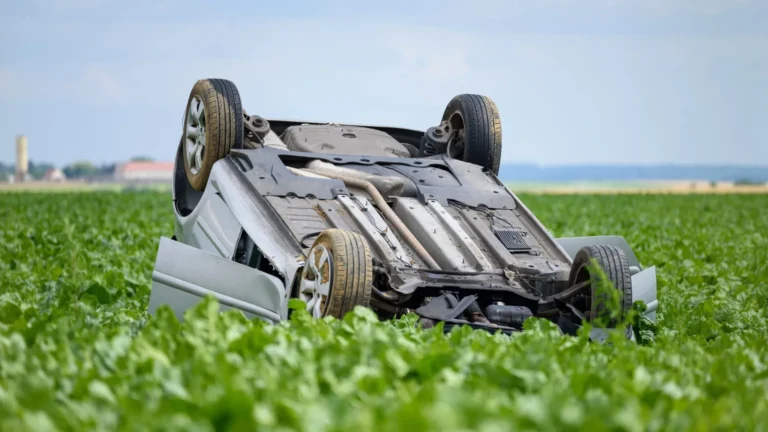

Transferring ownership of a non-running car in Maine is a straightforward process, provided you have the right documentation in hand. The most critical factor is your vehicle’s model year: as of January 1, 2026, the Maine Bureau of Motor Vehicles (BMV) requires a Certificate of Title to transfer ownership of any vehicle with a model year of 2001 or newer. For vehicles from the model year 2000 or older, a properly executed Bill of Sale is typically sufficient. While the physical paperwork to transfer ownership is identical whether the car runs or not, selling a non-running or junk vehicle is often easier because the buyer does not need to pass a Maine State Police inspection or immediately register the vehicle for road use.
If you are dealing with a vehicle that has failed inspection, suffered severe rust damage, or simply stopped running, this guide will walk you through exactly how to legally transfer ownership in the Pine Tree State.
The Reality of Selling a Non-Running Car in Maine
Owning an aging vehicle in Maine comes with a unique set of challenges that drivers in warmer climates simply do not face. The combination of harsh winters and the aggressive anti-icing chemicals used on the roads takes a heavy toll on automotive metal. The Maine Department of Transportation (MaineDOT) utilizes thousands of tons of winter road salt and liquid chlorides to keep the roads safe during ice storms and blizzards. While this snow-and-ice management is essential for public safety, it acts as a catalyst for severe vehicular corrosion.
As a result, many Maine residents find themselves dealing with frame rot, rusted-out rocker panels, and compromised subframes. When these structural issues become too severe, the vehicle will inevitably fail the strict annual safety inspection mandated by the Maine State Police. Once a car fails inspection for structural rust or catastrophic mechanical failure—such as a blown transmission or seized engine—the cost to repair it often vastly exceeds the vehicle’s actual market value.
At this point, you have a non-running car taking up space in your driveway or yard. Selling it is the most practical choice, but the legal transfer of ownership must be handled correctly to avoid future liabilities.
Maine Title Rules: What You Need to Know (Updated for 2026)
The rules regarding vehicle titles in Maine have evolved, and it is crucial to understand the current regulations to avoid delays at the BMV.
The “2001 and Newer” Rule
Historically, Maine operated under a sliding 15-year or 25-year title exemption rule, which often caused confusion for buyers and sellers alike. However, the law has been updated and simplified. As of January 1, 2026, any vehicle with a model year of 2001 or newer must have a Certificate of Title to be legally sold and transferred in the state of Maine. There are no exceptions for non-running cars, junk cars, or vehicles sold for scrap. If your car is a 2001 or newer model, you must sign the title over to the buyer.
The “2000 and Older” Rule
If you are selling a vehicle with a model year of 2000 or older, Maine law does not require a Certificate of Title for the transfer of ownership. Instead, you can legally transfer ownership using a standardized Maine Bill of Sale. This document must include the vehicle identification number (VIN), make, model, year, the sale price, the date of the transaction, and the signatures of both the buyer and the seller.
Running vs. Non-Running Transfers
It is important to understand that the actual mechanism of transferring ownership (signing the back of the title or providing a bill of sale) does not change just because the car doesn’t run. The difference lies in what happens after the sale. When you sell a running car to a private buyer, they intend to register it, get plates, and drive it. When you sell a non-running car to a salvage buyer or a company like CashSellCar, the vehicle is towed away. The buyer will process the title to dismantle, recycle, or rebuild the vehicle, meaning no immediate state inspection or road registration is required.
Step-by-Step Guide to Transfer Ownership of a Non-Running Car in Maine
Handling the paperwork correctly protects you from parking tickets, towing fees, or legal issues if the vehicle is later abandoned by an unscrupulous buyer. Follow these steps to ensure a clean break from your non-running car.
Step 1: Verify Your Documentation Needs
First, check the model year of your vehicle.
- 2001 or newer: Locate your physical Maine Certificate of Title. If you cannot find it, you will need to apply for a duplicate (covered in the next section).
- 2000 or older: Draft or download a standard Maine Bill of Sale.
Step 2: Clear Any Outstanding Liens
If you originally financed the car and just finished paying it off, you must ensure the lien has been officially released. Look at the front of your title. If a bank or credit union is listed under the “Lienholder” section, you must have a physical lien release document from that financial institution, or the title itself must be stamped and signed by the bank releasing their interest. You cannot transfer ownership of a non-running car—even to a junkyard—if there is an active lien on it.
Step 3: Complete the Seller’s Assignment
On the back of the Maine Certificate of Title, locate the section labeled “Assignment of Ownership.”
- Print the buyer’s name and address exactly as instructed.
- Write in the current odometer reading. Even if the car doesn’t run, record the mileage displayed on the dash. If the odometer is broken or exceeds mechanical limits, check the appropriate box.
- Enter the date of the sale.
- Sign and print your name exactly as it appears on the front of the title. If there are two owners listed on the front with the word “AND,” both owners must sign.
Step 4: Remove Your License Plates and Personal Items
In Maine, license plates belong to the individual, not the vehicle. Before the tow truck arrives to take your non-running car away, you must remove the front and rear license plates. You should also thoroughly check the glovebox, trunk, and under the seats for personal documents, EZ-Pass transponders, and valuables.
Step 5: Cancel Registration and Insurance
Once the car has been towed away and the buyer has the title, take your license plates to your local municipal office or the BMV to cancel the registration. If you are buying a replacement vehicle, you can often transfer the remaining credit from these plates to your new car. Finally, call your auto insurance provider and cancel the policy on the sold vehicle to stop paying unnecessary premiums.
How to Handle a Missing Title in Maine (Duplicate Title Process)
If your non-running car is a 2001 model or newer and you have lost the title, you cannot legally sell the car until you replace the document. Do not attempt to sell it with just a bill of sale, as reputable buyers and auto recyclers will refuse to take it.
To get a replacement title, you must undergo the Maine duplicate title process:
- Obtain Form MVT-8: You can download the “Request for Duplicate Title” (Form MVT-8) from the official Maine BMV website or pick one up at a local BMV branch.
- Fill out the application: Provide your VIN, vehicle details, and your personal information. All owners listed on the original title must sign this form.
- Pay the fee: As of the current fee schedule, a duplicate title costs $33. If you need it expedited (Rush Service), an additional fee applies.
- Submit to the BMV: You can mail the form and payment to the Title Unit in Augusta or drop it off at a branch office. The state will mail the new title to your address.
Once the duplicate title arrives in the mail, you can proceed with selling your non-running car.
Repair, Scrap, or Request an Offer? A Decision Framework
When a car breaks down and won’t start, Maine owners often struggle with deciding whether to fix it, send it to a local scrapyard, or sell it to a nationwide buyer. Use this decision framework to make the best financial choice.
When to Repair the Vehicle
- The fix is minor: If the car only needs an alternator, a battery, or a starter, and otherwise runs well, it is usually worth fixing.
- The frame is solid: If the vehicle has survived Maine winters without significant structural rust and passes Maine State Police inspections easily, repairing mechanical issues makes sense.
- High market value: If the car is relatively new and retains a high resale value, investing in a repair will yield a better return when you eventually sell it.
When to Scrap or Junk the Vehicle locally
- Severe structural failure: If a mechanic informs you that the subframe is rotting or the strut towers are compromised from road salt, the car is a major safety hazard.
- Catastrophic powertrain failure on an old car: If a 15-year-old car needs a $4,000 engine replacement, the repair costs exceed the vehicle’s total value.
- Environmental hazards: If the car is leaking fluids into the ground, you are violating Maine Department of Environmental Protection (DEP) motor vehicle recycling rules. You must dispose of it immediately to prevent soil and groundwater contamination.
When to Request an Offer from CashSellCar
- You want maximum value with zero hassle: Local scrapyards often pay the bare minimum based purely on the weight of the scrap metal. CashSellCar evaluates the vehicle’s salvageable parts, make, and model to offer a highly competitive price.
- You need free towing: Towing a non-running car in Maine can cost hundreds of dollars, especially if you live in a rural area. CashSellCar includes free towing from your driveway or mechanic’s lot.
- You want guaranteed payment: No haggling, no tire-kickers, and no bounced checks. You receive payment at the exact moment of pickup.
Decision Checklist
| Factor | Repair It | Local Scrapyard | Sell to CashSellCar |
|---|---|---|---|
| Repair Cost vs Value | Cost is < 25% of car’s value | Cost is > 100% of car’s value | Cost is > 50% of car’s value |
| Structural Rust | None to minimal | Severe (unsafe to drive) | Moderate to Severe |
| Towing Included? | You pay the tow truck | Often deducted from payout | Yes, 100% Free |
| Time Investment | High (waiting on mechanics) | Medium (calling around) | Low (Online offer in minutes) |
Environmental Considerations for Non-Running Cars
Leaving a non-running vehicle to rot in a field or driveway isn’t just an eyesore; it’s an environmental liability. The Maine DEP enforces strict motor vehicle recycling rules to protect the state’s pristine lakes, rivers, and groundwater. A single deteriorating junk car can leak gallons of motor oil, toxic antifreeze, transmission fluid, and battery acid into the soil.
By officially transferring ownership and selling your non-running car to a professional buyer, you ensure that the vehicle enters a regulated dismantling process. Hazardous fluids are drained and recycled, heavy metals from batteries are recovered, and the remaining steel is crushed and repurposed.
Frequently Asked Questions About Transferring Non-Running Cars in Maine
1. Can I sell my non-running car without a title in Maine?
It depends entirely on the year of the vehicle. If the car is a model year 2001 or newer, you absolutely must have a title to sell it, even if it is non-running or junk. If the car is a 2000 model year or older, you can legally sell it without a title by using a standard Maine Bill of Sale.
2. Do I need to get my non-running car inspected before selling it?
No. Because the vehicle is non-running, the buyer will be towing it away rather than driving it on public roads. Therefore, it does not need a current Maine State Police inspection sticker for you to legally transfer ownership.
3. What if my car failed a Maine State Police inspection?
You can still sell it. A failed inspection simply means the car cannot be legally driven on Maine roads. It does not prevent you from transferring the title to a buyer who plans to tow the vehicle away for scrap, parts, or repairs.
4. How do I transfer ownership if the owner has passed away?
If the vehicle owner is deceased, the process depends on how the estate is being handled. Generally, the executor or administrator of the estate, appointed by the probate court, has the legal authority to sign the back of the title. They must provide a copy of the probate court documents showing their appointment when transferring ownership.
5. Does a bill of sale need to be notarized in Maine?
No, the state of Maine does not require a vehicle bill of sale to be notarized. However, it must contain all pertinent details (VIN, date, price, names) and the signatures of both the buyer and the seller to be considered valid by the BMV.
6. Can I leave the license plates on the car when it is towed away?
No. In Maine, license plates are tied to your registration, not the car itself. You must remove your plates before the tow truck takes the vehicle. Leaving plates on a sold car can result in you receiving parking tickets, toll violations, or liability if the vehicle is involved in an incident.
Sell Your Non-Running Car in Maine Today
Dealing with a non-running car doesn’t have to be a headache. Whether your vehicle suffered catastrophic engine failure on I-95 or finally succumbed to years of MaineDOT winter road salt, CashSellCar is here to help you turn that metal into money.
What CashSellCar Does: We specialize in buying less-than-perfect, non-running, and junk vehicles directly from consumers. We offer a streamlined, transparent process that removes the stress of selling a broken car.
What You Need: Just have your keys, your Maine Certificate of Title (for 2001 and newer models), and your ID ready. Ensure any bank liens are officially released.
What Happens at Pickup: Our professional towing partners will arrive at your scheduled time. They will verify your paperwork, hand you your payment, and load up the vehicle. Towing is always 100% free.
What You Should Verify: Always remember to remove your license plates and personal belongings before the driver arrives, and cancel your registration and insurance after the car is gone.
Stop letting that non-running car sink into the mud. Get a guaranteed, no-obligation offer today.
- Call us toll-free: 1-844-512-0697
- Email our team: contact@cashsellcar.com
- Learn more about our process: Read /how-it-works/
- See local details: Visit our /maine/ area page.
Sources used for this article:
- Maine Bureau of Motor Vehicles (BMV): Title Rules and Duplicate Title Requirements (Title 29-A)
- Maine State Police: Motor Vehicle Inspection Division Guidelines
- Maine Department of Environmental Protection (DEP): Motor Vehicle Recycling and Salvage Rules
- Maine Department of Transportation (MaineDOT): Winter Road Maintenance and Snow-and-Ice Guidance
Ready to see what your car is worth?
Get a real online offer with free towing and no obligation.
Get my instant offer