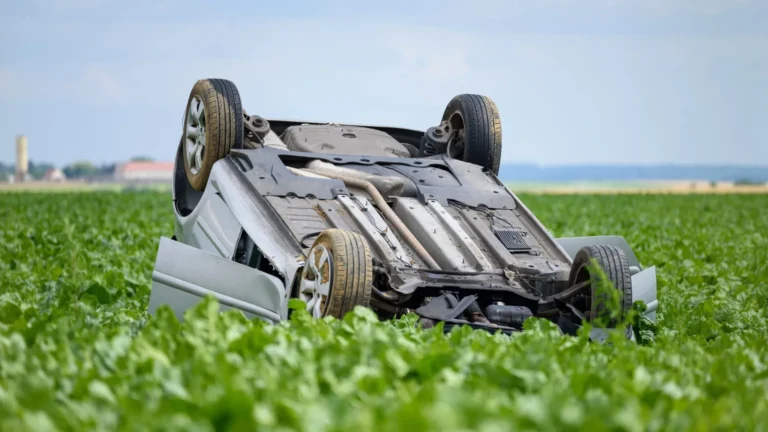

Short Answer: If you are looking for a maine scrap and parts demand car offer, the amount you receive is driven by two main factors: the current price of raw scrap metal and the local secondary market for used auto parts. In Maine, vehicles with heavy winter utility—like Subarus, 4×4 pickup trucks, and all-wheel-drive SUVs—often command significantly higher offers because their components are in high demand to keep other local vehicles running through harsh winters, even if the vehicle itself is too rusted to pass inspection.
If you are dealing with a car that has failed inspection and want to skip the market breakdown to just get a quote today, call CashSellCar directly at 1-844-512-0697 or email us at contact@cashsellcar.com.
Why Scrap and Parts Demand Matters Specifically in Maine
Maine’s climate, geography, and regulatory environment create a unique and demanding automotive ecosystem. The state experiences long, severe winters with heavy snowfall and ice. To keep commerce moving and drivers safe, the MaineDOT’s necessary use of winter road salt, brine, and snow-and-ice treatments takes a heavy, unavoidable toll on vehicle undercarriages. Over time, aggressive rust can eat away at steel frames, rocker panels, subframes, and exhaust systems. Consequently, many vehicles end up failing the strict Maine State Police safety inspections long before their engines, transmissions, or interiors actually wear out.
Because rust claims so many otherwise perfectly fine vehicles prematurely, there is a massive local demand for reliable, affordable replacement parts. Drivers across the Pine Tree State constantly need alternators, starters, clean body panels, interior electronics, and suspension components to keep their daily drivers on the road. When you sell a junk, damaged, or high-mileage car, professional buyers evaluate it not just for its gross weight in scrap steel, but for the precise value of its salvageable parts on the local market.
A rusted-out 4×4 truck or a Subaru Outback with a blown head gasket might still possess perfectly good doors, intact glass, flawless interior seats, or functional drivetrain components. This heavy demand for winter SUV parts in the secondary market directly influences the quotes you receive. Buyers operating under strict Maine DEP motor vehicle recycling rules know exactly which parts they can pull, inventory, and sell quickly to local repair shops. This parts-focused approach allows them to offer you a better price than if the car were merely crushed and shredded for its base metal weight.
Breaking Down the Value: Scrap Metal vs. Used Parts
When you request a valuation, the expert looks at your vehicle through two entirely different lenses. Understanding this dual-valuation method can help you set realistic expectations for your payout.
1. The Raw Scrap Metal Market
Vehicles are primarily made of steel, cast iron, aluminum, and small amounts of precious metals found in specific emission components like catalytic converters. The prices for these metals fluctuate daily on the global commodities market, influenced by international trade, manufacturing demand, and supply chain logistics. When scrap steel prices are high globally, the baseline value of any junk car in Maine goes up, regardless of its make, model, or condition.
If your vehicle has been sitting in the woods behind your house for a decade, has a seized engine, and has been completely hollowed out by rodents, it has essentially zero parts value. In this scenario, its value will be based almost entirely on its curb weight in raw scrap metal. Heavier vehicles, like older full-size vans or heavy-duty trucks, will naturally fetch more in sheer scrap value than a compact economy car. Furthermore, specialized recycling facilities must process the metal efficiently, draining fluids and removing non-metallic components to meet environmental standards before the steel can be sold to foundries.
2. The Local Parts Demand
The secondary parts market, unlike the global scrap market, is highly localized and hyper-specific. In Maine, the demand heavily skews toward vehicles that handle snow, mud, and rural backroads well. If you are selling a 15-year-old rear-wheel-drive convertible sports car in November, the local parts demand is extremely low. Nobody is repairing convertibles during a blizzard.
However, if you are selling a 10-year-old all-wheel-drive crossover or a heavy-duty pickup, local mechanics, auto body shops, and DIY repairers are actively searching for those exact parts. Key components that drive up a parts-based offer include:
- Functioning engines, transmissions, and transfer cases
- Clean, rust-free doors, hoods, tailgates, and fenders
- Intact headlights, taillights, and side mirrors
- Catalytic converters (handled under strict environmental and legal guidelines)
- Intact infotainment systems, gauge clusters, and interior trim pieces
- Alloy wheels that are not bent or heavily corroded
Step-by-Step: How Your Maine Scrap and Parts Demand Car Offer is Calculated
Curious about what actually happens behind the scenes when you contact a buyer like CashSellCar? Here is the step-by-step process of how we assess both the scrap weight and the local parts demand to generate your specific quote.
Step 1: Vehicle Identification and Specs
You provide the exact year, make, model, and trim level of your vehicle, along with the current mileage. We use this fundamental data to determine the factory curb weight (for baseline scrap value) and to cross-reference our inventory data on local parts demand. We instantly know if your vehicle is a high-demand winter warrior or a heavier vehicle with significant steel value.
Step 2: Detailed Condition Assessment
We ask a series of direct questions about the condition of the vehicle. Does it run and drive under its own power? Is the engine mechanically sound? Is there severe frame rust from MaineDOT road salt? Are the body panels dented, scratched, or rusted completely through? Did the airbags deploy in an accident? A vehicle with a bad automatic transmission but pristine body panels will get a higher parts-based valuation, whereas a vehicle that was totaled in a rollover collision will likely get a lower scrap-based valuation.
Step 3: Title and Paperwork Verification
We must verify the paperwork to ensure a legal transfer of ownership. IMPORTANT: As of January 1, 2026, Maine Bureau of Motor Vehicles (BMV) rules dictate that vehicles with a model year of 2001 or newer absolutely require a title for transfer, sale, or salvage. You cannot simply sell a 2008 or 2015 vehicle with just a handwritten bill of sale. If you have a clean title in your name, the transaction can proceed smoothly and quickly.
Step 4: Current Market Analysis
Our pricing system simultaneously checks the current per-ton price of scrap steel in the New England region and gauges the real-time demand for your specific vehicle’s parts in the local recycling and repair network. We look at what local yards are paying and what parts are currently on backorder across the state.
Step 5: Generating the Final Offer
We combine the scrap value, the projected parts value, and the logistical costs (such as dispatching a tow truck to your specific Maine zip code) to generate a real offer. We factor in the heavy lifting and transportation, so the number you hear is the exact amount you will receive when we arrive.
Decision Checklist: Should You Repair, Scrap, or Request an Offer?
Many Maine drivers struggle with the difficult decision of whether to keep pouring money into fixing an aging vehicle, scrap it outright, or sell it to a professional buyer. Use this decision framework to evaluate your specific situation logically.
- [ ] Does the quoted repair cost exceed the vehicle’s actual value? If your older SUV is worth $2,000 on a good day but needs a $2,500 frame welding repair just to pass the Maine State Police inspection, it is economically totaled.
- [ ] Is the rust structural or just cosmetic? Cosmetic rust on a fender lip is an eyesore; structural rust on the frame rails, subframe, or suspension mounts is a critical safety hazard that often means the end of the road for the vehicle.
- [ ] Do you have the correct, legal paperwork? Check your title right now. Remember the strict Maine BMV rule: model year 2001 or newer requires a title. If you lost it, you will need to go through the Maine duplicate title process before selling it to anyone.
- [ ] Do you have the time, patience, and safety for a private sale? Selling a “mechanic’s special” on local online classifieds often invites lowballers, unreliable no-shows, and complicated logistics involving strangers coming to your property.
- [ ] Is the vehicle safe and legal to drive on public roads? If the vehicle cannot be driven safely, has a rejected inspection sticker, or is unregistered, you have to factor in the high cost of hiring a private tow truck just to move it to a buyer.
When to Repair
If the vehicle is generally solid underneath, has manageable mileage, and only failed inspection for standard consumable items (like brake pads, worn tires, ball joints, or a minor exhaust leak), repairing it is usually the most financially sound decision. Given the historically high prices of replacement new and used vehicles, fixing a reliable commuter is often well worth the investment, especially if it ensures safe winter travel.
When to Scrap or Request an Offer
If the vehicle has suffered catastrophic engine failure, transmission failure, has severe structural rot from years of winter road salt, or has been in a major collision, it is time to sell. Requesting an offer from a professional service like CashSellCar ensures you extract whatever financial value remains in the scrap metal and usable parts without the headache of dismantling it, draining hazardous fluids, or parting it out yourself.
How to Prepare Your Vehicle for Pickup in Maine
Once you accept an offer, preparing for the actual pickup is straightforward, but it requires a few specific steps to ensure a smooth handoff.
- Clean Out All Personal Belongings: Thoroughly go through the glovebox, center console, trunk, door pockets, and under the seats. Remove all personal documents, electronics, sunglasses, tools, and trash. It is remarkably easy to leave behind an important receipt or garage door opener.
- Remove the License Plates: Before the tow truck leaves your driveway with your vehicle, take off the Maine license plates. You must return them to your local municipal town office or the BMV to properly cancel your registration and avoid future excise tax bills.
- Gather and Verify the Paperwork: Have your title ready and easily accessible. Ensure it is signed by all owners listed on the front exactly as their names appear. If you need help understanding where to sign, ask our team beforehand—signing in the wrong spot, crossing out names, or using white-out can void the document entirely, causing frustrating delays.
- Ensure Clear Towing Access: Maine driveways can be incredibly tricky, especially in the dead of winter or during the muddy spring season. Make sure the tow truck has a clear, safe, and wide path to reach the vehicle. If the car is buried in a snowbank or blocked by other family vehicles, you must clear a path before the driver arrives to avoid a rescheduled appointment.
Maximizing Your Payout
While the global scrap metal market and the highly localized parts demand are entirely out of your control, there are a few proactive things you can do to ensure you get the absolute best possible offer for your vehicle:
- Provide Highly Accurate Details: Be entirely honest about the condition of the vehicle. If the catalytic converter has been cut off by thieves, or the engine is completely seized from running out of oil, mention it upfront. Accurate descriptions lead to accurate, guaranteed quotes. Surprises at pickup lead to canceled transactions.
- Do Not Strip Parts: Unless you are an experienced mechanic with a buyer already lined up for specific components, do not remove parts like the battery, alternator, radio, or wheels before selling. Removing easily accessible parts significantly lowers the overall value of the vehicle to a professional buyer, as it reduces their profit margin and severely complicates the towing process (a car without wheels is much harder to load onto a flatbed).
- Have Your Title Ready: Having a clean, clear title in hand speeds up the process and guarantees you get the maximum value. Vehicles without proper paperwork (even if older than 2001) often face administrative hurdles that lower their value and delay the transaction.
Frequently Asked Questions (FAQ)
How much do you actually get for scrapping a car in Maine?
The payout varies widely based on the vehicle’s curb weight and the demand for its specific parts. A stripped, older compact sedan might fetch a couple of hundred dollars based on scrap weight alone, while a complete, highly in-demand AWD SUV like a Subaru Forester or Toyota Tacoma could bring in significantly more due to its lucrative parts value.
Do I need a title to scrap a car in Maine?
Yes, in the vast majority of cases. As of January 1, 2026, the Maine BMV strictly requires a title for any vehicle with a model year of 2001 or newer. If you have lost your title, you will need to complete the Maine duplicate title process before transferring ownership.
Will you buy my truck if the frame is completely rusted out?
Absolutely. Frame rot from winter road salt is a very common reason vehicles fail the Maine State Police inspection. Even if the frame is completely compromised and unsafe, the engine, transmission, body panels, and interior components still have value, and the remaining shell is recycled for scrap metal.
Do I have to pay for the tow truck out of pocket?
No. When you accept an offer from CashSellCar, the cost of towing is completely covered by us. The offer you accept over the phone or email is the exact amount you are paid when the driver arrives. There are no hidden fees or deduction for transportation.
How does the heavy winter parts demand affect my quote?
Vehicles known for handling Maine winters (like 4×4 trucks and AWD crossovers) are in constant demand for replacement parts. If you are selling one of these vehicles, buyers can often quote you a much higher price because they know they can quickly supply local mechanics with the winter-ready components they desperately need.
What happens to my car after it is towed away?
Depending on its exact condition, it will be processed according to strict Maine DEP motor vehicle recycling rules. Hazardous fluids (like oil, coolant, and brake fluid) are drained and safely disposed of. Usable, high-demand parts are carefully removed, cleaned, and entered into the secondary market inventory. Finally, the remaining metal shell is crushed and recycled into raw steel.
Can I sell my car if it is stuck in the mud or buried in snow?
Yes, but you must let us know the exact physical situation beforehand. Towing companies need to dispatch the right equipment (such as a wrecker with a heavy-duty winch rather than a standard flatbed) to safely extract vehicles that are not easily accessible from the pavement.
Sources Used For This Article
To ensure complete accuracy and provide honest local context, the following official Maine resources were consulted regarding vehicle regulations, environmental standards, and road conditions:
- Maine Bureau of Motor Vehicles (BMV): For updated title and registration requirements, specifically noting the crucial January 1, 2026 rule regarding vehicles model year 2001 and newer, and the official duplicate title process.
- Maine State Police: For guidelines regarding motor vehicle safety inspection standards, specifically including frame integrity, suspension checks, and severe rust limits.
- Maine Department of Environmental Protection (DEP): For motor vehicle recycling rules, salvage yard regulations, and the proper disposal of automotive fluids and batteries.
- Maine Department of Transportation (MaineDOT): For context on winter road maintenance operations, snow-and-ice control guidelines, and the widespread use of road salt that causes undercarriage rust.
Get Your Guaranteed Maine Offer Today
Dealing with a vehicle that has failed state inspection, suffered severe winter rust, or simply reached the end of its reliable life does not have to be a frustrating or stressful process. At CashSellCar, we understand the unique challenges of the Maine automotive market. We expertly evaluate both the raw scrap weight and the local parts demand to give you a fair, competitive, and real offer.
Ready to find out exactly what your vehicle is worth right now? We make it simple and transparent. We evaluate the car, handle the confusing paperwork, schedule a free tow from your location, and pay you exactly what we promised at pickup.
Contact us today to get your maine scrap and parts demand car offer.
- Call us: 1-844-512-0697
- Email us: contact@cashsellcar.com
- Or explore more of our helpful resources in our Maine State Archive or learn more about our process at How It Works.
Ready to see what your car is worth?
Get a real online offer with free towing and no obligation.
Get my instant offer