
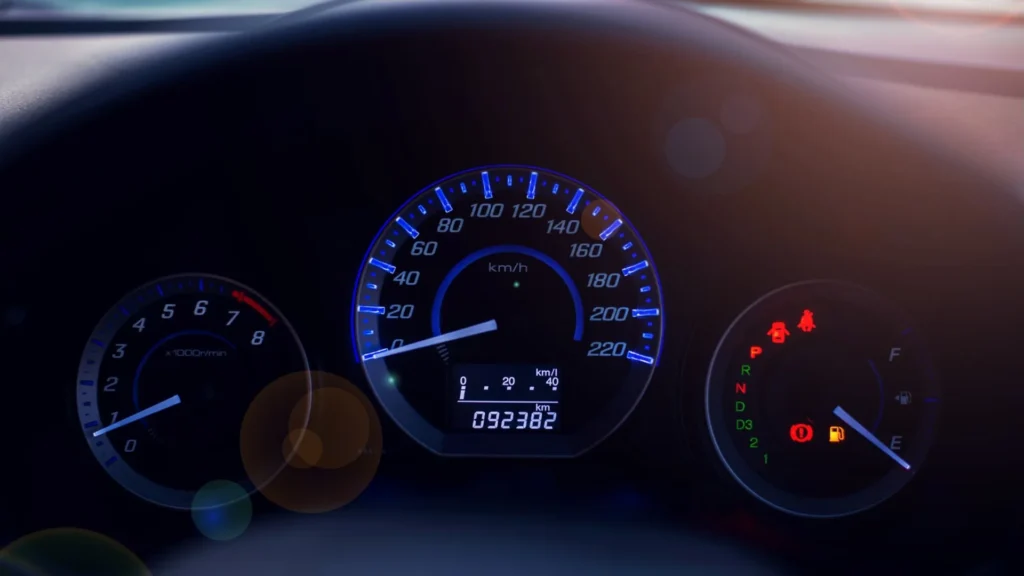
Quick Answer: High mileage junk car value in Maine is influenced by more than just the number on the odometer—it’s heavily impacted by the state’s harsh winters. A 200,000-mile vehicle driven entirely on salted Maine roads will often have significant undercarriage rust, lowering its salvageable parts value compared to a garage-kept car from the South. However, even high-mileage, rusted cars still hold solid value for their weight in scrap metal and core components. If your high-mileage car is failing inspection or rusting out, selling it to a licensed buyer like CashSellCar is the easiest way to extract its remaining value.
It is a common scenario in the Pine Tree State: you have a reliable commuter that has finally crossed the 200,000-mile mark. The engine might still run, but the body is showing the toll of years of winter driving. If you are preparing to sell, you might be asking: how exactly does high mileage affect my junk car’s value here in Maine? The truth is, while mileage is a significant factor in any vehicle valuation, a high-mileage car in Maine presents a unique set of variables. When we evaluate a junk car, the odometer reading tells us a story, but the condition of the frame and the paperwork you hold tell us the rest. In this guide, we will break down exactly how your high mileage junk car is valued in Maine and what you can do to get the best possible offer.
Why Maine Winters Make High Mileage Different
When we look at high mileage junk car value in Maine, we aren’t just looking at the wear and tear on the engine. We are looking at the environmental impact on the vehicle’s structural integrity.
According to MaineDOT’s winter road salt and snow-and-ice guidance, significant amounts of salt and chemical de-icers are required to keep the roads safe during our long, freezing winters. While this keeps traffic moving, it creates a highly corrosive environment for the undercarriage of your vehicle.
A car with 180,000 miles that has lived its entire life in a dry, southern state will have a vastly different structural profile than a car with 180,000 miles driven in Bangor or Portland. In Maine, high mileage often correlates directly with severe rust. If a car has seen ten or fifteen Maine winters, the brake lines, exhaust system, subframe, and rocker panels are likely heavily corroded.
This matters for junk car offers because buyers evaluate vehicles based on two main categories: reusable parts and scrap metal weight. Heavy rust makes it incredibly difficult, and sometimes impossible, to salvage suspension components, body panels, and exhaust parts. Therefore, a high-mileage Maine car might be valued closer to its raw scrap weight rather than its parts value, simply because the usable parts have been compromised by rust.
How Evaluators Calculate High Mileage Junk Car Value in Maine
To understand your offer, it helps to know how the valuation process works behind the scenes. When you contact a buyer, we look at several interconnected factors.
1. The Usable Parts Factor
If your high-mileage car is a popular model—like a Subaru Outback, Toyota Tacoma, or Ford F-150—there is a steady demand for replacement parts. If the engine, transmission, alternator, or interior components are still functional, those parts increase the offer. However, with high mileage, the probability of these components having significant wear increases, reducing the premium a buyer can pay.
2. The Scrap Metal and Core Value Factor
If a car has over 200,000 miles and the transmission is slipping or the frame is rusted out, its value transitions primarily to its weight in steel, aluminum, and the value of its catalytic converter. Heavy vehicles like trucks and SUVs generally command higher scrap prices than compact cars. Furthermore, automotive recyclers must adhere strictly to Maine DEP motor vehicle recycling rules, which mandate the safe recovery and disposal of fluids, batteries, and mercury switches. The cost of this environmental compliance is factored into the scrap ecosystem, but the base metal value remains a solid floor for your vehicle’s worth.
3. Current Scrap Market Prices
Scrap metal is a global commodity, and prices fluctuate based on international demand. If the market for shredded steel is high, your offer will be higher, regardless of whether your car has 100,000 or 300,000 miles on the dash.
The Role of the Maine Title in Junk Car Offers
One of the most critical factors that can make or break your offer is your documentation. In Maine, the rules surrounding vehicle titles have recently shifted, and you must have your paperwork in order to get top dollar.
Important Title Rule Update: As of January 1, 2026, the Maine Bureau of Motor Vehicles (BMV) requires a title for all vehicles with a model year of 2001 or newer.
Many Mainers operate under the outdated assumption that older cars do not require a title for transfer. Under the current Maine SOS / BMV title rules, if your high-mileage car is a 2001 model or newer, you must provide the title to legally sell it, even to a junk buyer. Without a title, a legitimate buyer cannot legally purchase the vehicle, which means your offer drops to zero until the paperwork is resolved.
Handling a Missing Title
If you have lost the title to your 2001 or newer vehicle, you will need to go through the Maine duplicate title process. This involves submitting a Request for Duplicate Title (Form MVT-8) to the BMV and paying the required fee. While it takes a little time and effort, securing the duplicate title is the only way to unlock the value of your high-mileage vehicle. CashSellCar requires proper proof of ownership and adheres strictly to all Maine BMV regulations to ensure a smooth, legal transaction.
Step-by-Step: How to Sell Your High Mileage Junk Car in Maine
Selling a high-mileage, weather-beaten car doesn’t have to be a headache. If you follow a structured process, you can get rid of the vehicle legally and get paid quickly.
Step 1: Assess the Vehicle’s True Condition
Take an honest look at the car. Does it start and drive? Is the check engine light on? Look underneath—is the frame heavily rusted or actively flaking metal? Note the exact mileage and any major missing parts (like the battery, tires, or catalytic converter). Accurate information leads to an accurate, real offer.
Step 2: Gather Your Documents
Check the model year of your vehicle. If it is 2001 or newer, locate your title. Ensure the title is in your name and free of any active liens. If it is a model year 2000 or older, you will need a valid registration and a bill of sale. Clear paperwork prevents delays at the time of pickup.
Step 3: Get Your Instant Offer
Reach out to a reputable buyer. At CashSellCar, you can get a real offer over the phone or online. We use real-time market data and factor in the specifics of your high-mileage Maine vehicle to give you a fair, competitive price.
Step 4: Schedule Free Towing
If your car isn’t safe to drive or has a dead battery from sitting through the winter, do not pay for a tow. A professional buyer will include free towing in the offer. We arrange a pickup time that fits your schedule, whether the car is sitting in a driveway in Augusta or a field in Aroostook County.
Step 5: Complete the Sale and Get Paid
When the tow truck arrives, the driver will verify the vehicle matches the description, check your title and ID, and hand you your payment at pickup. Make sure to remove your license plates before the car is towed away, as you will need to return them to your local Maine municipality or BMV office.
Decision Framework: Should You Repair, Scrap, or Request an Offer?
When a high-mileage car breaks down, Maine residents often face a tough choice: pour more money into repairs or finally let the car go. Use this decision framework to evaluate your options.
You Should Repair the Vehicle If:
- The required repairs cost less than 50% of the vehicle’s current market value.
- The frame and structural components are solid, with only surface rust.
- The car can reliably pass Maine State Police vehicle inspection standards without major overhauls.
- You know the maintenance history and trust the engine and transmission to last another 50,000 miles.
You Should Request an Offer to Scrap or Sell If:
- The Frame is Compromised: If a mechanic tells you the subframe, strut towers, or rocker panels are rusted through, the car is no longer safe to drive and will fail a Maine State Police inspection. Structural rust is rarely cost-effective to repair.
- Major Mechanical Failure: If a vehicle with 220,000 miles blows a head gasket or the transmission fails, a $3,000 repair bill makes no sense on a car worth $1,500.
- Failed Inspection: If the car failed its annual Maine safety inspection for a litany of issues (emissions, brakes, suspension, rust) and the estimate is overwhelming.
- It Has Become a Lawn Ornament: If the car has been sitting unregistered in your yard through multiple winters, it is degrading daily. Selling it now secures the best possible price before the elements destroy its remaining parts value.
What CashSellCar Does and What You Need to Know
When you deal with CashSellCar, you are working with professionals who understand the realities of Maine’s roads and regulations. Here are the trust cues you can rely on when working with us:
- What We Do: We buy vehicles in any condition—running, wrecked, rusted, or completely dead. We provide instant, transparent offers based on real scrap and parts value.
- What the Seller Needs: You need a clear title in your name for any vehicle model year 2001 or newer. For older vehicles, you need proper registration and a bill of sale. You also need a valid ID.
- What Happens at Pickup: Our designated tower will arrive at the scheduled time, verify your paperwork, hand you your payment, and tow the vehicle away for free.
- What the Seller Should Verify: Always verify that you have removed all personal belongings (check the glovebox, trunk, and CD player) and take your Maine license plates off the vehicle before it leaves your property.
- Environmental Responsibility: We work with partners who adhere to Maine DEP motor vehicle recycling rules, ensuring that fluids are drained and batteries are processed safely so that heavy metals and chemicals do not seep into Maine’s soil and water.
Frequently Asked Questions (FAQ)
Does high mileage automatically mean my car is worthless?
No. Even cars with 250,000+ miles have value. At a minimum, your vehicle is worth its weight in scrap metal, plus the value of the catalytic converter and any heavy components. Heavy trucks and SUVs with high mileage often fetch higher scrap prices than lighter sedans.
How much does rust affect my junk car offer in Maine?
Rust significantly impacts the value of usable parts. If a car is heavily corroded from Maine road salt, buyers cannot resell the doors, fenders, or suspension components. In these cases, the car is valued closer to its raw scrap metal weight.
Can I sell my car without a title in Maine if it has high mileage?
It depends entirely on the year, not the mileage. As of January 1, 2026, the Maine BMV mandates that all vehicles from model year 2001 and newer must have a title to be sold or transferred. If you lost it, you must apply for a duplicate title.
Will you pick up a high-mileage car if it has been sitting in the snow for years?
Yes. As long as our tow trucks can safely access the vehicle, we will remove it. Please make sure the path to the vehicle is somewhat clear, and let us know in advance if the tires are flat or sunk into the mud so we can bring the right equipment.
Do I need to clean the car before selling it for scrap?
You don’t need to detail it or wash the exterior. However, you must remove all personal belongings, trash, and your license plates. The car should not be loaded with household garbage or yard waste, as scrap yards cannot process vehicles filled with non-automotive debris.
What should I do with my license plates after the car is towed?
You should remove the plates before the tow truck leaves. In Maine, you can either transfer those plates to another vehicle you own, or you must return them to your local municipal office or a Maine BMV branch to officially cancel your registration and avoid future excise tax issues.
Sources Used For This Article
To ensure accuracy regarding Maine laws and environmental factors, this article referenced information from the following official entities:
- Maine Bureau of Motor Vehicles (BMV) / Secretary of State: For current title requirements and the duplicate title process.
- Maine State Police: For guidelines regarding annual motor vehicle safety inspections.
- Maine Department of Environmental Protection (DEP): For regulations on motor vehicle recycling and hazardous waste disposal.
- Maine Department of Transportation (MaineDOT): For information regarding winter road salt and snow-and-ice management practices.
Ready to Sell Your High Mileage Car?
Don’t let a high-mileage, rusted vehicle take up space in your driveway for another long Maine winter. Whether your car has 150,000 miles or 300,000 miles, CashSellCar is ready to make you a fair, real offer. We handle the paperwork, we cover the towing, and we pay you at pickup.
Get your free, no-obligation offer today.
Call us at 1-844-512-0697 or email us at contact@cashsellcar.com to find out exactly what your vehicle is worth.
For more resources on valuing and selling your vehicle, check out our pricing and value guide, learn more about how it works, or view our other Maine-specific resources.
Ready to see what your car is worth?
Get a real online offer with free towing and no obligation.
Get my instant offer