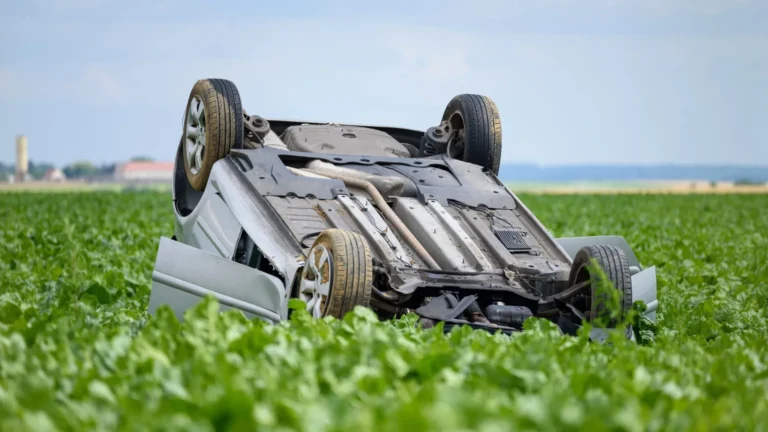

Short Answer: Yes, your location in Maine significantly impacts your junk car offer. Because towing logistics represent the largest expense in auto recycling, sellers located in urban centers like Portland or Bangor generally receive higher offers than those in remote rural areas where long towing distances eat directly into the vehicle’s salvage value.
When vehicle owners begin wondering, does location affect junk car offer in maine, they quickly discover that the geography of the Pine Tree State plays a massive role in the scrap auto industry. Maine is a vast, heavily forested, and often rugged state with a relatively small population spread out over a massive geographic area. The distance between a broken-down vehicle and the nearest auto recycler isn’t just a matter of convenience—it is a matter of hard economics. For professional junk car buyers, the cost of dispatching a tow truck, paying a specialized driver, and covering the cost of diesel fuel all must be subtracted from the raw value of the vehicle’s scrap metal and parts.
At CashSellCar, we process vehicle purchases across the entire state. We have seen firsthand the dramatic difference between scheduling a quick, 15-minute pickup just off Interstate 95 and coordinating a three-hour round-trip recovery mission down a rutted, unpaved logging road in Aroostook County. Understanding how these logistical realities shape your offer will help you set realistic expectations and ensure you get the best possible value for your end-of-life vehicle. In this guide, we will explore exactly how location, weather, and distance alter the math of junk car buying in Maine.
Why Towing Distances in Maine Matter for Junk Car Prices
The junk car and auto recycling industry operates on strict profit margins. When a buyer evaluates your vehicle, they aren’t looking at its sentimental value or the money you spent fixing the brakes last year. They are looking at the current commodities market for crushed steel, aluminum, and the precious metals found in catalytic converters. They are also assessing whether the vehicle has high-demand components—like a working transmission or usable body panels—that can be harvested and resold.
Once that gross value is calculated, the buyer must subtract the overhead costs required to retrieve and process the vehicle. Towing is, without question, the single largest variable expense in this equation. Heavy-duty wreckers and flatbed tow trucks are incredibly expensive to purchase, maintain, and insure. They get poor gas mileage, and commercial diesel fuel is not cheap. Furthermore, skilled tow operators command professional wages.
If a tow company charges a baseline hook-up fee plus a per-mile rate, moving a vehicle 40 miles can easily cost well over $150 in hard expenses. If your scrap vehicle is only worth $300 in raw metal, and the tow costs $150, the buyer can mathematically only offer you a fraction of the remaining value. Therefore, the farther you are from the buyer’s processing facility, the lower your cash offer will be.
Urban Centers vs. Rural Logistics: Portland vs. The County
The contrast between Maine’s urban corridors and its rural expanses perfectly illustrates how location affects value. If your vehicle is sitting in a driveway in South Portland, Lewiston, or Auburn, you are in a highly competitive, densely populated zone. Auto recyclers and scrap yards are abundant. A tow truck can easily scoop up your vehicle and deliver it to a yard within 20 minutes. Because the buyer’s overhead is incredibly low for this transaction, they can pass those savings on to you in the form of a higher cash offer.
Conversely, consider the logistics of retrieving a vehicle in Machias, Jackman, or deep in “The County” (Aroostook). In these remote areas, the nearest equipped salvage facility might be 50 to 75 miles away. Dispatching a truck to these locations takes a driver and their rig out of service for half a day. The wear and tear on the truck, combined with fuel costs and driver wages, represents a massive logistical burden. This burden directly reduces the purchase price of the vehicle. In extreme cases involving very old, lightweight vehicles in deeply remote areas, the cost of the tow might actually exceed the value of the scrap metal entirely.
How Weather and Seasons Affect Towing and Logistics
Maine isn’t just vast; its weather can be intensely unforgiving. The season in which you decide to sell your junk car can impact your offer and the logistics of the pickup almost as much as your zip code.
Winter Weather, Snowbanks, and Access
The Maine Department of Transportation (MaineDOT) works tirelessly to maintain road safety during the harsh winter months, deploying extensive snow-and-ice control measures. However, a well-plowed highway doesn’t mean your private driveway or back road is accessible.
When you sell a junk car in February, the tow driver often faces severe access challenges. A vehicle that has been plowed in for three months is essentially a block of ice. Tow operators cannot simply hook onto a frozen bumper; doing so can cause massive damage or snap the tow cable. Extracting a snowbound car requires extra labor to dig out the wheels, and sometimes requires specialized winching equipment or a 4×4 wrecker. If a buyer anticipates that a pickup will take two hours of labor just to get the car onto the truck, they will lower the offer to account for that lost time, or they may require you to dig the vehicle out before they finalize the transaction.
Mud Season and Unpaved Roads
Spring brings “mud season” to Maine. As the deep frost leaves the ground, many of the state’s unpaved rural roads become nearly impassable for heavy commercial vehicles. A flatbed tow truck carrying a 4,000-pound scrap car can easily sink to its axles on a soft dirt road. During mud season, some buyers may refuse to dispatch trucks to certain rural locations entirely, or they may lower offers to account for the risk and the extra time it takes to navigate treacherous, rutted terrain safely.
The Hidden Value Killer: Winter Road Salt and Rust
Location also determines how much corrosive winter road salt your vehicle has been exposed to. Maine is notorious for its use of salt and chemical de-icers. A vehicle that has spent 15 years commuting along the coast or up and down I-95 is likely to suffer from severe undercarriage rot.
Rust destroys the value of a junk car in several ways. First, deeply rusted cars are harder and more dangerous to dismantle for parts. Bolts snap, and panels crumble. Second, if a car’s frame is severely rotted, it might be too structurally compromised to tow safely using a standard wheel-lift wrecker, forcing the buyer to send a more expensive flatbed truck. Finally, heavily rusted vehicles often fail the strict Maine State Police motor vehicle inspection rules, forcing owners to sell them for scrap rather than as running vehicles.
Maine Title Rules: Important January 2026 Updates
Regardless of where you live in Maine, the state regulates the transfer of vehicle ownership strictly. You cannot legally sell a car—even for scrap—if you cannot prove that you own it. The rules governing titles have recently changed, and being uninformed can derail your sale.
Critical Update for Maine Sellers: As of January 1, 2026, the Maine Bureau of Motor Vehicles (BMV) requires a valid certificate of title for all vehicles with a model year of 2001 or newer.
For years, many people relied on the old rule that vehicles 15 years or older were exempt from titling in Maine. This is no longer accurate for modern vehicles. You must adhere to the updated Maine BMV rules. Professional, licensed buyers like CashSellCar operate strictly within the law and will not buy a vehicle without the correct documentation.
- If your car is a 2001 or newer: You must present a clean, clear title in your name. If you have lost the title, you must submit a Request for Duplicate Title to the Maine BMV before you attempt to sell the car.
- If your car is a 2000 or older: A proper bill of sale accompanied by an old registration may suffice to prove ownership, but you must verify this with the buyer prior to scheduling pickup.
- Lienholders: If your title lists a bank or credit union as a lienholder, you must provide a signed lien release letter from that institution, even if you paid the loan off a decade ago. The BMV will not clear the title without it.
Decision Framework: Should You Fix, Sell Local, or Scrap?
When you are staring at a broken-down vehicle in your driveway, it can be difficult to know what the best financial move is. Use this framework to evaluate your options based on the car’s condition and your location in Maine.
1. The Repair Route
When it makes sense:
- The vehicle is relatively modern (under 10 years old) and generally reliable.
- The cost of the repair quoted by a local mechanic is significantly less than the cost of replacing the vehicle in the current used car market.
- The vehicle only failed its Maine state inspection for minor, fixable issues such as worn tires, brake pads, or a faulty sensor.
- The vehicle’s frame is structurally sound and free of severe rust.
2. The Private Sale (Sell Local)
When it makes sense:
- The vehicle runs, drives, and stops safely, but suffers from high mileage or cosmetic damage.
- You hold a clean title in your name.
- You live in a more populated area (like Greater Portland, Bangor, or Augusta) where there is a steady demand for inexpensive “beater” cars or DIY project vehicles.
- You have the time, patience, and safety awareness to deal with private buyers from online marketplaces.
3. Request a Scrap/Junk Car Offer
When it makes sense:
- The vehicle requires catastrophic mechanical repairs, such as a blown engine or a failed transmission, that exceed the value of the car.
- The vehicle’s frame is severely rusted and cannot pass state inspection.
- The car has been sitting idle for years, does not start, and is sinking into the yard.
- You live in a rural area and need the vehicle removed without having to pay out-of-pocket for a long-distance tow.
- You want a guaranteed, fast, and hassle-free transaction with a professional buyer.
Step-by-Step: How to Prepare Your Car for Pickup in Maine
If you have decided that selling your junk car is the right move, preparation is key. Follow these steps to ensure a smooth, legal, and efficient pickup process, whether the tow truck is coming to a suburban cul-de-sac or a remote dirt road.
- Verify Your Ownership Documents: Locate your title and ensure it is in your name. If the car is a 2001 or newer, remember the January 2026 rule—you must have the title. If there was a loan, secure the lien release.
- Clear the Access Path: Tow trucks are large, heavy commercial vehicles. They require a wide turning radius and solid ground. Ensure the path to the vehicle is clear of debris, other cars, and low-hanging branches. In the winter, you must shovel a clear path and ensure the tires are not frozen into the ground.
- Remove All Personal Belongings: Once the car is towed, it will be processed quickly. Thoroughly check the glove box, center console, trunk, under the seats, and the CD player. Remove all personal documents, tools, and valuables.
- Remove the License Plates: Before the tow driver hooks up the vehicle, use a screwdriver to remove your Maine license plates. Under Maine law, the plates belong to you, not the car. You must return them to your local municipal office or the BMV to properly cancel the registration, or transfer them to a new vehicle. Leaving plates on a junked car leaves you open to liability.
- Cancel Your Insurance Policy: After the car is loaded onto the truck and you have signed the paperwork and received payment, call your auto insurance provider immediately to cancel the policy so you do not pay for coverage on a vehicle you no longer own.
Frequently Asked Questions (FAQ)
Does location affect junk car offer in maine?
Yes, significantly. Offers are generally higher in urban areas because the towing distances are shorter and the logistical costs are lower. In rural areas, the high cost of fuel and driver time required to retrieve the vehicle eats into the vehicle’s overall scrap value, resulting in a lower net offer.
Will you buy my car if it is buried in snow?
We buy cars year-round, but you must make the vehicle accessible for the tow truck. Tow drivers operate on tight schedules and cannot spend two hours shoveling out your vehicle. If the car is inaccessible, you will need to clear the snow and ice before we can finalize the pickup schedule.
Do I absolutely need a title to sell my junk car in Maine?
As of January 1, 2026, if your vehicle’s model year is 2001 or newer, you must provide a valid title to sell it. If your vehicle is a 2000 model year or older, you may be able to sell it using a proper bill of sale and a previous registration, but always confirm this with your buyer first.
How much will I be charged for towing?
When you sell your vehicle to CashSellCar, towing is always free. We calculate the cost of the tow into our initial offer, which is why your location influences the price. However, the offer you accept is the amount you receive—we will never surprise you with a hidden towing bill when the driver arrives.
Can I sell a car that someone abandoned on my property?
No. You can only sell a vehicle if you are the legally recognized owner. If a vehicle has been abandoned on your Maine property, you cannot simply sell it to a scrap yard. You must follow the legal process through local law enforcement or the BMV to claim ownership of the abandoned vehicle before a buyer can legally purchase it from you.
What happens to my vehicle after it is towed away?
Your vehicle will be processed in accordance with strict Maine Department of Environmental Protection (DEP) motor vehicle recycling rules. All hazardous materials—including engine oil, transmission fluid, coolant, and battery acid—are safely drained and disposed of to protect groundwater. Usable parts are harvested for resale, and the remaining metal chassis is crushed, shredded, and recycled into new steel and aluminum products.
Why did my neighbor get a higher offer for a similar car?
Offers fluctuate based on several variables, including the current daily commodities market for scrap metal, the specific demand for parts from certain makes and models, and the exact logistical costs of retrieving the vehicle on that specific day.
Get Your offer Today
Whether your car is parked in downtown Portland or out in the remote woods of Somerset County, CashSellCar is ready to buy it. We provide straightforward, transparent pricing based on real-time scrap metal markets and honest local towing logistics. We understand the challenges of selling a car in Maine, from title issues to winter weather access, and we are here to make the process as easy as possible.
What CashSellCar does is simple: We review the details you provide about your vehicle, we give you a real offer, we schedule a pickup time that works for your schedule, and we hand you payment right when we load the car. As the seller, all you need to do is have your title ready, clear a safe path for the tow truck, and verify that the car matches the condition you described to us.
Ready to find out exactly what your vehicle is worth today? Check out how it works or reach out to us directly for a free, no-obligation quote.
Contact CashSellCar today:
- Call: 1-844-512-0697
- Email: contact@cashsellcar.com
- Learn more about our services in your area: Maine Service Areas
Sources used for this article:
- Maine Bureau of Motor Vehicles (BMV): Title requirements and duplicate title procedures (specifically the 2001 model year threshold effective Jan 1, 2026).
- Maine Department of Environmental Protection (DEP): Motor vehicle recycling and hazardous fluid disposal regulations.
- Maine State Police: Motor vehicle inspection rules regarding frame rust and safety failures.
- Maine Department of Transportation (MaineDOT): Information regarding winter road maintenance and vehicle access logistics.
Ready to see what your car is worth?
Get a real online offer with free towing and no obligation.
Get my instant offer