
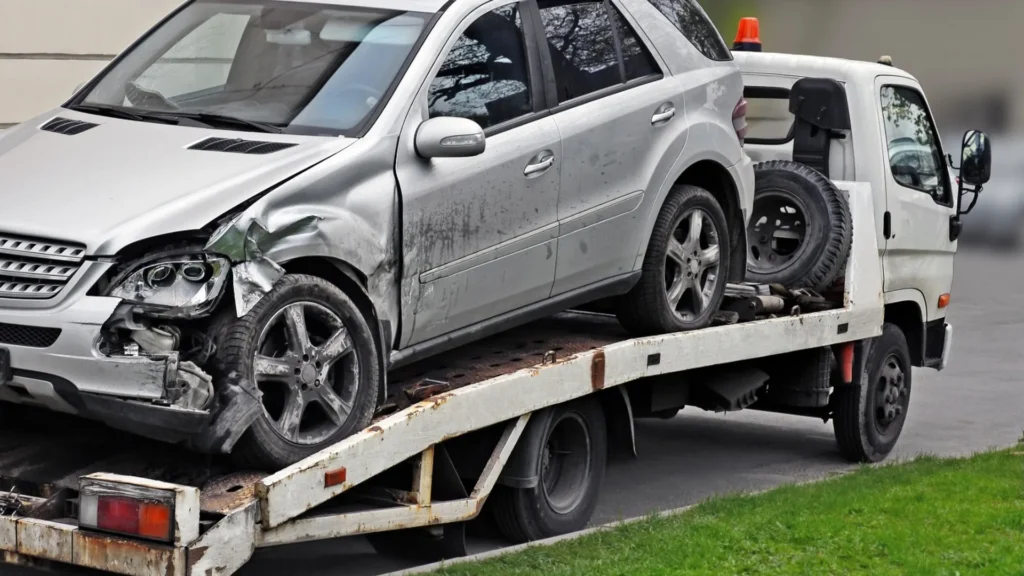
Quick Answer: Yes, you absolutely must remove license plates in Maine when selling a car. According to the Maine Bureau of Motor Vehicles (BMV), license plates remain the property of the seller, not the vehicle. If you leave your plates on the car, you can be held legally and financially responsible for parking tickets, toll violations, or accidents caused by the new owner. Always take your plates off before handing over the keys.
Selling a car in the Pine Tree State? Whether you are passing a reliable commuter down to a neighbor or finally getting rid of a rusty truck that failed inspection, one of the most important steps to protect yourself is knowing exactly what to do with your license plates. The short answer is yes: you absolutely must remove license plates in Maine when selling a car. Leaving your tags on the vehicle can leave you on the hook for parking tickets, toll violations, or worse if the buyer drives off without registering the car in their name.
If you are a Maine resident dealing with an older vehicle, you already know the unique challenges we face up here. From brutal winters and heavy road salt to strict annual inspections, selling a used or junk vehicle involves more than just a handshake. In this guide, we will break down exactly how to handle your plates, navigate Maine’s updated title laws, and decide whether it makes sense to fix your car, scrap it, or sell it for paid at pickup.
Why This Matters in Maine: The Reality of Selling Used Vehicles
Maine is a beautiful state, but it is notoriously tough on vehicles. The MaineDOT uses a significant amount of winter road salt, sand, and liquid de-icers to keep the roads safe during our long winters. While this is great for winter driving, it is terrible for your vehicle’s undercarriage.
If you are selling a car in Maine, there is a good chance it has some rust. Many sellers decide to let a vehicle go because it failed the rigorous Maine State Police motor vehicle inspection. A rotted frame, rusted-out rocker panels, or a faulty exhaust system can mean repair bills that exceed the value of the car. When you decide to sell a vehicle in this condition, you might be dealing with buyers who want to use the car for parts, fix it up as a “camp road” beater, or scrap it.
Regardless of who buys it, if your plates are still attached, the state of Maine assumes you are still operating that vehicle. If the new owner abandons the car on a rural logging road or gets caught speeding through a toll on the Maine Turnpike, those fines will come back to you. Furthermore, if you are dealing with a rusty tailgate or bumper, taking the license plates off might require some effort. Those plate screws often rust solid, meaning you might need penetrating oil like PB Blaster, vice grips, or even a drill to get your plates off. Do not let a stuck screw convince you to leave the plates behind!
Why You Must Remove License Plates in Maine When Selling a Car
When you ask, “Do you need to remove license plates in Maine when selling a car?” the Maine Bureau of Motor Vehicles is very clear: the plates belong to you, the registrant. They do not travel with the vehicle to the new owner.
Here is why removing your plates is critical:
- Liability Protection: If the buyer is involved in a hit-and-run, gets a red-light camera ticket in another state, or racks up parking fines in Portland, law enforcement will run the plates. If your name is attached, you will have to prove you no longer own the vehicle, which can be a legal headache.
- Insurance Cancellation: You should never cancel your auto insurance until you have removed your plates and officially transferred ownership of the vehicle. If you cancel insurance while your plates are still active and on the car, the BMV may penalize you for having an uninsured registered vehicle.
- Plate Transfer or Refund: Maine allows you to transfer your current plates to a new vehicle if you register one within a specific timeframe. If you aren’t buying another car, you must return the plates to your local municipal office or a BMV branch, or formally cancel your registration to avoid future excise tax assessments.
Step-by-Step Guide: What to Do with Your Plates and Paperwork
Selling a car successfully in Maine requires following a precise sequence of steps. Use this step-by-step guide to ensure you are fully protected.
Step 1: Remove the Plates and Registration Stickers
Before the buyer even loads the car onto a trailer or drives it away (with their own temporary transit plate), take a screwdriver and physically remove both the front and rear license plates. Remember, in Maine, you are required to have both plates displayed, so make sure you collect both. Keep them in a safe place inside your house or garage.
Step 2: Prepare the Title (Crucial 2026 Update)
You must sign the title over to the buyer. IMPORTANT: as of January 1, 2026, vehicles with model year 2001 or newer require a title in Maine.
For many years, Maine had a 15-year title exemption rule, meaning older cars could be sold with just a bill of sale and a previous registration. That is no longer the case. If your vehicle is a 2001 or newer, you must provide a clean, valid certificate of title.
- If you lost the title: You must apply for a duplicate title through the Maine BMV before you can legally sell the car. This involves filling out Form MVT-8 (Application for Duplicate Title) and paying the required fee. Do not expect a buyer to do this for you; the BMV requires the registered owner to request the duplicate.
Step 3: Complete a Bill of Sale
Maine law requires a bill of sale to accompany the title transfer. The bill of sale should include:
- The make, model, year, and VIN (Vehicle Identification Number) of the car.
- The date of the sale.
- The purchase price.
- The names, addresses, and signatures of both the buyer and the seller.
Make sure you keep a copy of this document for your records. This is your primary proof that you sold the vehicle on a specific date.
Step 4: Cancel or Transfer Your Registration
Take your removed license plates to your town hall or a local BMV branch. You can either transfer the registration and plates to a replacement vehicle, or you can turn them in and cancel the registration. By cancelling the registration, you ensure your town will not bill you for excise tax on that vehicle next year.
Decision Framework: Should You Repair, Scrap, or Request an Offer?
Many Maine residents find themselves selling a car because it has reached the end of its practical life. If your vehicle just failed a Maine State Police safety inspection, you are likely facing a tough decision. Use this decision framework to figure out your best move.
1. When to Repair the Vehicle
- The repairs cost less than the vehicle’s market value. If you have a 2015 Subaru Outback that needs a $600 exhaust repair to pass inspection, it is well worth fixing.
- You rely on the vehicle daily. If it’s your only way to get to work in rural Maine and the repairs are manageable (like new brakes or tires), fix it.
- The frame is solid. If the MaineDOT road salt hasn’t compromised the structural integrity of the frame, mechanical repairs are usually worth the investment.
2. When to Scrap the Vehicle
- The frame is dangerously rusted. If the inspection station flagged the frame as rotted, the vehicle is unsafe.
- Major mechanical failure. A blown engine or failed transmission on a vehicle with over 200,000 miles usually signals it is time to let go.
- Following Maine DEP Rules: If you sell to a scrap yard, be aware that the Maine Department of Environmental Protection (DEP) has strict motor vehicle recycling rules regarding the recovery of fluids, lead-acid batteries, and mercury switches. A licensed salvage yard will handle this, but you will still need to provide the title and remove your plates.
3. When to Request an Offer from CashSellCar
- You don’t want the hassle of selling privately. Dealing with Facebook Marketplace buyers who lowball you, don’t show up, or ask you to leave the plates on the car is frustrating.
- You want a guaranteed, safe transaction. CashSellCar provides a seamless process. You get a fair offer, free towing, and we walk you through the paperwork.
- The vehicle isn’t running. If the car is sitting in your driveway sinking into the mud, you need it towed away safely and legally.
Checklist: Preparing for Your Vehicle Pickup
If you decide to sell your vehicle to a professional buyer, follow this quick checklist:
- [ ] Locate your title (Remember: 2001 or newer requires a title as of 2026).
- [ ] Ensure all lienholders are paid off and you have a lien release if applicable.
- [ ] Remove your license plates (Front and rear!).
- [ ] Clean out all personal belongings from the glovebox, trunk, and under the seats.
- [ ] Have your driver’s license ready to verify your identity.
Trust Cues: The CashSellCar Difference
When you sell your vehicle to CashSellCar, you are working with experienced operators who understand title headaches, failed inspections, rust, towing access, and seller anxiety.
What CashSellCar Does: We buy vehicles in all conditions—running, wrecked, rusted, or perfectly fine. We provide a real offer based on real market data.
What You Need: Just your vehicle, a valid title (for 2001 and newer), your keys, and your ID.
What Happens at Pickup: A professional, vetted local tower will arrive at the scheduled time. They will verify your paperwork, hand you your payment, and load the vehicle.
What You Should Verify: Always ensure you have removed your personal belongings and, most importantly, taken your license plates off the vehicle before the tow truck pulls away.
We do not use high-pressure tactics, and we do not make up fake payout numbers. We offer a transparent, realistic process designed to get that unwanted vehicle out of your Maine driveway quickly and legally.
Frequently Asked Questions
1. Do I leave the plates on if selling privately to a friend in Maine?
No. Even if you are selling the car to your best friend or a family member, you must remove the license plates. The plates are registered to you. Your friend needs to go to their local town office to pay excise tax and get their own plates, or obtain a temporary transit plate to move the vehicle legally.
2. How long do I have to transfer my plates to a new car in Maine?
If you sell your car and buy a new one, Maine allows you to transfer your current plates to the new vehicle. However, this is not automatic. You must process the transfer through your local municipal office or the BMV when you register the new vehicle. It is generally advised to do this immediately so you can legally drive the new car.
3. Do I need a notary to sell a car in Maine?
No, the state of Maine does not require a notary public to witness the signing of a vehicle title or a bill of sale between private parties. However, all signatures must be legible and match the printed names on the title.
4. Can I cancel my registration online in Maine?
Yes, Maine offers an online plate cancellation service through the state’s official website. You can also cancel your registration in person at your local town office or a BMV branch. Canceling your registration is important to stop future excise tax assessments.
5. What if I lost the title to my 2005 vehicle?
Because of the rule change effective January 1, 2026, all vehicles model year 2001 or newer require a title in Maine. If you lost the title to a 2005 vehicle, you cannot sell it with just a bill of sale. You must apply for a duplicate title from the Maine BMV using Form MVT-8. You will need to wait for the new title to arrive in the mail before completing the sale.
6. Can a junkyard take my car with the plates still on?
A reputable, licensed auto salvage yard will always ask you to remove your license plates before they take possession of the vehicle. If they tell you not to worry about it and leave them on, consider it a massive red flag. Always take your plates off to protect yourself from liability.
7. Does CashSellCar provide free towing in Maine?
Yes. Whether you live in a dense neighborhood in Portland or at the end of a long dirt road in Aroostook County, CashSellCar provides free towing as part of our service. Just make sure the vehicle is accessible for a tow truck (especially during mud season or after a heavy snowstorm) and that your plates are removed before the driver arrives.
Sources Used for This Article
To ensure you have the most accurate and up-to-date information, we referenced several official Maine state resources:
- Maine Bureau of Motor Vehicles (BMV): For current title laws, the January 2026 title requirements, and duplicate title (MVT-8) processes.
- Maine State Police: For guidelines regarding annual motor vehicle safety inspections and failure criteria.
- Maine Department of Environmental Protection (DEP): For regulations concerning motor vehicle recycling, fluid recovery, and salvage yard compliance.
- Maine Department of Transportation (MaineDOT): For context on winter road maintenance, salt usage, and its impact on vehicle undercarriages.
Ready to Sell? Remove License Plates Maine When Selling Car
Understanding the rules of the road is the best way to protect yourself. Remember, you absolutely must remove license plates in Maine when selling a car to avoid unnecessary legal and financial liabilities.
Once your plates are off and your title is in hand, the easiest way to sell your car is with CashSellCar. We handle the heavy lifting, provide free towing, and ensure a smooth, legal transaction.
Skip the hassle of private buyers and the lowball offers from local scrap yards. Check out our how it works page to see our simple process, or learn more about our services across the state on our Maine page.
Get your offer today:
- Call us at: 1-844-512-0697
- Email us at: contact@cashsellcar.com
Your driveway space is valuable. Let us help you clear it out safely and legally today!
Ready to see what your car is worth?
Get a real online offer with free towing and no obligation.
Get my instant offer