
What Happens to Junk Cars After You Sell Them in Texas?
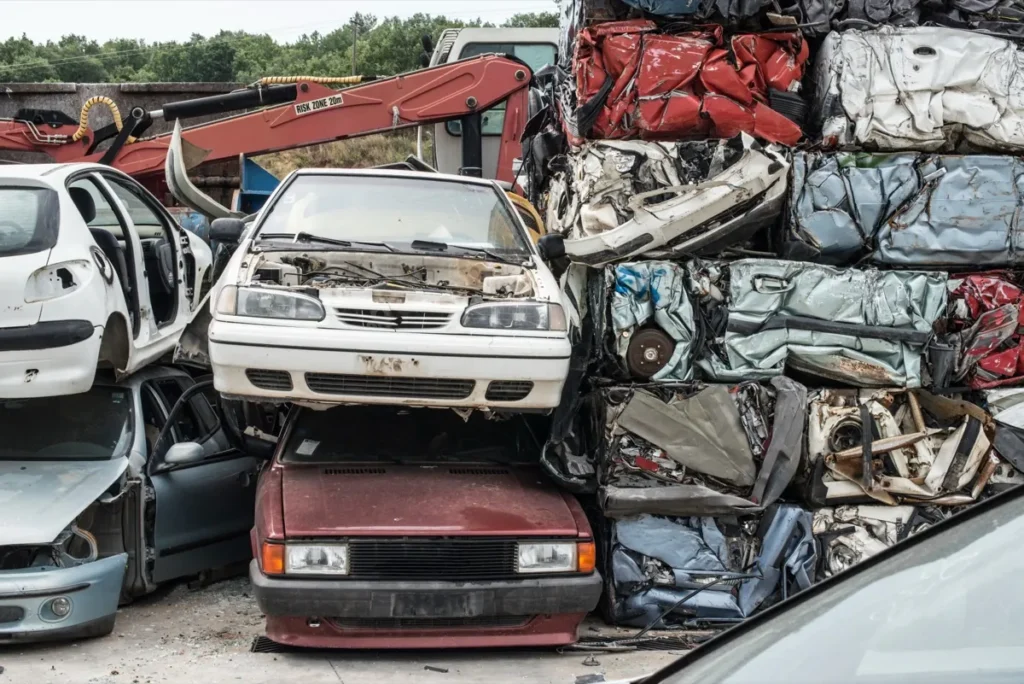
Have you ever wondered where your junk car actually goes after the tow truck drives away? The answer involves a carefully regulated, environmentally controlled process that transforms a worn-out vehicle into raw materials used in construction, manufacturing, and consumer products. Far from ending up in a landfill, most junk cars in Texas are processed through a sophisticated recycling chain — and Texas has some of the country’s most comprehensive environmental regulations governing every step.
This guide walks through the complete junk car lifecycle in Texas — from Cash Sell Car‘s pickup through the final scrap metal recycling step — including the regulatory requirements that licensed Texas automotive recyclers must follow under Texas Commission on Environmental Quality (TCEQ) and EPA End-of-Life Vehicle guidelines.
♻️ KEY FACT: Approximately 80% of a junk car’s weight is recyclable — including steel, aluminum, copper, and catalytic converter materials — and Texas’s licensed automotive recyclers must comply with Texas Commission on Environmental Quality (TCEQ) regulations for fluid disposal, including oil, coolant, and refrigerant removal before shredding.
The Complete Junk Car Recycling Process in Texas
Once a junk car is purchased and towed from your location — whether in Houston, Dallas, San Antonio, Austin, or anywhere across the Texas service area — it enters a multi-stage processing pipeline:
| Stage | Process | What Happens |
|---|---|---|
| 1. Receiving | Title verification + vehicle logging | VIN recorded; TxDMV records updated; title transferred |
| 2. Parts Assessment | Inspection for resalable components | Usable parts identified for inventory or direct resale |
| 3. Parts Removal | Harvesting marketable components | Engines, transmissions, alternators, doors, seats, electronics |
| 4. Fluid Removal | TCEQ-regulated hazardous fluid drain | Oil, coolant, brake fluid, power steering fluid, A/C refrigerant, fuel, battery acid |
| 5. Battery Removal | Lead-acid battery extraction | Batteries sent to certified lead recyclers |
| 6. Catalytic Converter Removal | PGM metal extraction | Platinum, palladium, rhodium recovered by smelters |
| 7. Shredding | Industrial hammermill shredding | Body shell reduced to fist-sized pieces in seconds |
| 8. Metal Separation | Ferrous/non-ferrous separation | Steel, aluminum, copper sorted magnetically and eddy-current |
| 9. Recycling | Metals sent to steel mills and foundries | Steel melted for new products; aluminum recycled for automotive + construction |
Texas TCEQ Fluid Disposal Requirements for Junk Cars
The Texas Commission on Environmental Quality (TCEQ) is the primary state environmental regulator for automotive recycling operations. TCEQ regulations require licensed automotive recyclers to properly drain and dispose of all hazardous vehicle fluids before shredding. Here is what must be removed from every junk car in Texas:
| Fluid | Environmental Hazard | Required Disposal Method |
|---|---|---|
| Engine oil | Soil and groundwater contamination | Certified used oil recycler or burner |
| Engine coolant | Toxic to animals and aquatic life | Coolant recycler or licensed facility |
| Transmission fluid | Soil contamination | Used oil collection system |
| Brake fluid | Toxic; absorbs moisture rapidly | Hazardous waste disposal |
| Power steering fluid | Petroleum contamination risk | Used oil or hazardous waste |
| A/C refrigerant (R134a) | Greenhouse gas; ozone depleting | Certified recovery machine — EPA Section 608 |
| Gasoline/diesel | Fire hazard + soil contamination | Fuel storage and resale or recycling |
| Battery acid (H2SO4) | Corrosive; severe environmental risk | Lead-acid battery recycler |
Failure to properly drain these fluids before shredding is a TCEQ violation and can result in significant fines. The EPA’s End-of-Life Vehicles guidelines align with Texas TCEQ requirements and apply to all automotive recyclers operating in the state. Sellers can be confident that Cash Sell Car‘s recycling partners are fully TCEQ-licensed and compliant.
What Materials Are Recovered from Texas Junk Cars?
The average junk car contains a remarkably diverse set of recoverable materials. According to the American Iron and Steel Institute, the U.S. automotive recycling industry processes more than 14 million vehicles annually, recovering significant volumes of steel, aluminum, copper, and precious metals. Here’s the breakdown by material for a typical 3,500-lb passenger vehicle:
| Material | Approximate Weight | % of Vehicle | End Use After Recycling |
|---|---|---|---|
| Steel (body, frame, engine block) | 1,700–2,100 lbs | 50–60% | New automotive steel, construction, appliances |
| Aluminum (wheels, engine parts) | 200–350 lbs | 6–10% | New automotive parts, beverage cans, construction |
| Copper (wiring, motors) | 40–80 lbs | 1–2% | Electrical wiring, piping, electronics |
| Platinum/Palladium/Rhodium (cat.) | 3–7 grams | <0.1% | New catalytic converters, jewelry, electronics |
| Lead (battery) | 25–35 lbs | 1% | New lead-acid batteries (98% recycled rate) |
| Glass (windows, mirrors) | 80–120 lbs | 2–3% | Fiberglass, road aggregate (some) |
| Plastics (interior, bumpers) | 200–350 lbs | 6–10% | Lower-grade plastics (less recyclable) |
| Rubber (tires, seals) | 100–200 lbs | 3–5% | Crumb rubber, retreading, playground surfaces |
Industry publication Recycling Today tracks the automotive scrap industry closely. Steel from recycled vehicles is particularly valuable — it takes 74% less energy to produce recycled steel than virgin steel, making junk car recycling a significant energy conservation practice.
The Catalytic Converter — Why It’s Increasingly Valuable
Catalytic converters contain platinum group metals (PGMs) — platinum, palladium, and rhodium — that are worth significantly more per gram than gold. Texas has experienced elevated catalytic converter theft rates, particularly in Houston and Dallas metro areas, because of this high value. When a junk car is sold with its catalytic converter intact, the recycling value is higher — which is reflected in Cash Sell Car‘s offer calculation.
💡 NOTE ON CATALYTIC CONVERTER THEFT: If your junk car’s catalytic converter has already been stolen (common on Toyota Prius, Honda Element, Ford F-250, and many trucks in Texas), your offer will be adjusted accordingly. Cash Sell Car still purchases vehicles missing catalytic converters — the offer simply reflects the lower recoverable precious metal value.
How Long Does the Junk Car Recycling Process Take in Texas?
The timeline from your driveway to final recycled metal varies by facility and vehicle condition:
| Stage | Typical Timeframe | Notes |
|---|---|---|
| Pickup by Cash Sell Car | 24–72 hours from offer acceptance | fast available in major TX metros |
| Transport to processing facility | 1–3 days | Partner facilities across Texas including DFW and Houston hubs |
| Parts assessment and removal | 1–5 days | Varies by vehicle; popular models take less time |
| Fluid removal and compliance | 1–2 days | TCEQ-compliant process at all partner facilities |
| Shredding and metal separation | scheduled as prep completion | Industrial shredders process 1 vehicle per minute |
| Metal shipment to mill | 1–4 weeks | Depends on regional mill schedules and commodity pricing |
The title is transferred to Cash Sell Car at the time of purchase, and the Vehicle Transfer Notification (VTN) is filed with TxDMV on at a scheduled time — legally completing the ownership transfer from your name immediately. We also serve Florida, Oregon, and New York for sellers outside Texas.
The Environmental Impact of Junk Car Recycling in Texas
Selling your junk car through a licensed buyer like Cash Sell Car is one of the most environmentally responsible actions a Texas vehicle owner can take:
- Prevents hazardous fluid contamination of Texas soil and groundwater — a major TCEQ enforcement priority
- Keeps lead-acid batteries out of landfills — Texas bans lead battery disposal in landfills under Chapter 26 of the Texas Water Code
- Recovers A/C refrigerants that would otherwise contribute to greenhouse gas emissions
- Reduces energy consumption in steel and aluminum production — recycled steel uses 74% less energy; recycled aluminum uses 95% less
- Extends the life of rare earth and precious metals (platinum, palladium) through catalytic converter recovery
- Eliminates the need for new mining of iron ore, bauxite, and copper for vehicle production
The automotive recycling industry is among Texas’s most environmentally important sectors. By selling through Cash Sell Car — rather than abandoning a vehicle or allowing it to deteriorate on private property — you are participating directly in this environmental chain. See our Texas seller hub and how it works overview for the complete seller experience.
Frequently Asked Questions — What Happens to Junk Cars in Texas
Q: Where do junk cars go after they’re sold in Texas?
A: Junk cars sold in Texas are processed by TCEQ-licensed automotive recyclers. Usable parts are harvested for resale, hazardous fluids are drained and properly disposed of, and the remaining shell is shredded and sorted into ferrous and non-ferrous metals for recycling.
Q: How much of a junk car is actually recycled?
A: Approximately 80% of a junk car’s weight is recyclable — primarily steel, aluminum, and copper. The remaining 20% (shredder fluff — plastics, rubber, foam, glass fragments) is the main non-recyclable component, though research into fluff recycling is ongoing.
Q: Are junk cars an environmental hazard in Texas?
A: Untreated junk cars can be serious environmental hazards. Fluids including oil, coolant, brake fluid, and battery acid can leach into soil and groundwater if a vehicle deteriorates in place. TCEQ-licensed recyclers remove all hazardous fluids before processing, eliminating this risk.
Q: Does Cash Sell Car ensure environmentally responsible recycling?
A: Yes. Cash Sell Car’s processing partners are TCEQ-licensed automotive recyclers. All vehicle fluids are drained and disposed of in compliance with TCEQ regulations before shredding. A/C refrigerants are recovered using EPA Section 608-certified equipment.
Q: What happens to my car’s title after I sell it to Cash Sell Car?
A: The title is transferred to Cash Sell Car at the time of purchase. We file the Vehicle Transfer Notification (VTN) with TxDMV on the day of pickup, legally removing your name from the vehicle’s ownership record immediately.
Q: Can I get money for my junk car’s catalytic converter separately?
A: No — catalytic converter value is included in the overall offer Cash Sell Car makes for your vehicle. We price the entire vehicle as a unit, accounting for the catalytic converter’s precious metal content along with all other parts and scrap materials.
Related Resources
- Texas Statewide Service Hub
- How Cash Sell Car Works
- Car Titles — Complete Texas Title Guide
- Get Your cash at pickup Offer
- Houston Texas Sellers
- Dallas Texas Sellers
- San Antonio Texas Sellers
- Austin Texas Sellers
- El Paso Texas Sellers
- Fort Worth Texas Sellers
- Cash Sell Car Blog
- Contact Our Team
- Privacy Policy
- Terms of Service
- Nationwide Service Locations
- Sell My Car in Florida
- Sell My Car in Oregon
- Sell My Car in New York
- TCEQ — Texas Commission on Environmental Quality
- EPA — End-of-Life Vehicles Resource
- American Iron and Steel Institute
- TxDMV — Official Motor Vehicle Division
- Recycling Today — Industry Publication
Ready to see what your car is worth?
Get a real online offer with free towing and no obligation.
Get my instant offer