
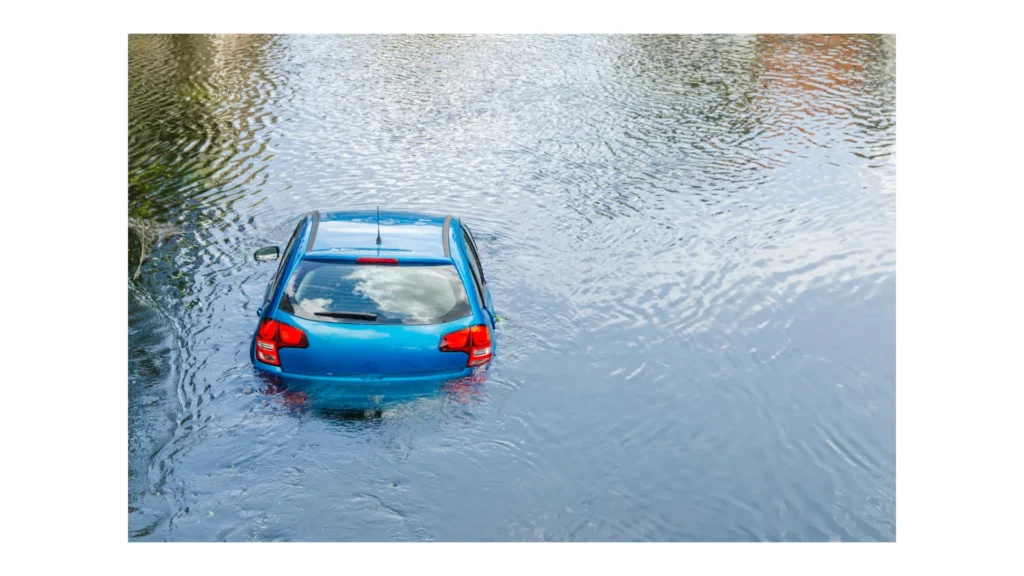
Answer First Summary: To navigate selling flood-damaged branded vehicle in ohio, Ohio vehicle owners must follow state BMV regulations under the Ohio Revised Code. Ensure proper documentation and title status before completing ownership transfer. Selling a vehicle with a “Flood” brand on the title means the car has suffered severe water damage, requiring strict adherence to the Ohio Bureau of Motor Vehicles (BMV) rules for disclosure and transfer. Whether the vehicle is operational or destined for the scrapyard, following these guidelines ensures a legal, hassle-free transaction.
Navigating the aftermath of severe weather, flash floods, or deep standing water can be devastating for vehicle owners. When water enters a vehicle’s engine, electrical systems, or passenger cabin, it can cause catastrophic damage that renders the vehicle unsafe or economically unviable to repair. In the state of Ohio, when an insurance company or an individual declares a vehicle a total loss due to water damage, the vehicle’s title must be officially branded as “Flood.”
Understanding how to handle a flood damaged car title brand ohio is a crucial step for any owner looking to offload their compromised vehicle. This process is highly regulated to protect future buyers from unknowingly purchasing a compromised vehicle with latent defects. This guide provides an authoritative, step-by-step look at the Ohio flood title brand vehicle rules, drawing upon the Ohio Revised Code (R.C. 4505) to help you sell your vehicle legally and profitably. From managing missing documentation to understanding the mechanics of towing and scrap valuation, this article will serve as your definitive roadmap to selling a flood-branded car in the Buckeye State.
1. Understanding Selling Flood-Damaged Branded Vehicle in Ohio
A “Flood” brand is a permanent designation placed on an Ohio Certificate of Title indicating that the vehicle has sustained significant water damage. Under Ohio law, a vehicle receives a flood brand if it has been submerged in water to the point that water entered the passenger or trunk compartment, or if the water level rose above the vehicle’s floorboards. This brand becomes a permanent part of the vehicle’s history report, appearing on services like Carfax and AutoCheck, and will be printed directly in bold lettering on the physical title issued by the County Clerk of Courts.
The Impact of a Flood Brand on Resale
Selling a vehicle with a flood brand is inherently different from selling a clean-title vehicle. The presence of a flood brand drastically reduces the vehicle’s market value, often dropping it by 50% to 70% compared to a similarly equipped clean-title vehicle, and sometimes even more depending on the exact nature of the damage. Water damage is notoriously unpredictable. While a flooded car might look clean on the outside and run perfectly for a short period after drying out, the insidious nature of water—especially if it contained road salt, mud, or sewage—causes gradual but severe corrosion of critical electrical components. Parts like airbag sensors, anti-lock braking systems (ABS), and transmission control modules are highly susceptible to failing without warning weeks or months after the flood.
Because of these latent safety hazards and immense liability issues, traditional dealerships almost universally refuse to accept flood-branded vehicles as trade-ins. Standard retail buyers are heavily discouraged from purchasing them by mechanics and consumer protection agencies alike. Consequently, owners of flood-damaged cars typically sell to specialized buyers, salvage yards, or professional car-buying services like CashSellCar that understand how to appropriately value, dismantle, or recycle these vehicles in accordance with environmental and legal standards.
Ethical and Legal Disclosures
In Ohio, it is a strict legal requirement to explicitly disclose the flood status of a vehicle to any prospective buyer prior to the completion of the sale. Failing to disclose this information constitutes fraud and can lead to severe penalties, including hefty fines and civil lawsuits under the Ohio Consumer Sales Practices Act. The title brand itself serves as the ultimate legal disclosure, but transparency throughout the negotiation process is mandatory. Selling a flood vehicle as a “clean” car is a serious crime, and Ohio law enforcement takes title fraud extremely seriously.
2. Key Ohio BMV Rules & Legal Requirements
The Ohio Bureau of Motor Vehicles (BMV) and the Ohio Revised Code heavily regulate the administration of title branding and vehicle transfers. The rules surrounding flood titles are specifically outlined to prevent “title washing”—a federal and state crime where sellers attempt to move a branded vehicle across state lines to obtain a “clean” title in a jurisdiction with laxer laws, subsequently defrauding an unsuspecting buyer.
Ohio Revised Code (R.C.) Statutes
Understanding the legal backbone of your transaction will help you avoid costly mistakes.
- R.C. 4505.06 (Application for Certificate of Title): This statute outlines the stringent requirements for transferring ownership of a motor vehicle in Ohio. It mandates that the title transfer must happen formally through the County Clerk of Courts and ensures all existing brands, including “Flood,” are accurately carried over to the new title issued to the buyer.
- R.C. 4505.11 (Surrender and Cancellation of Title – Salvage/Flood): This section dictates that when a vehicle is declared a total loss due to water damage (either by an insurer or the owner), the original clean title must be immediately surrendered to the state, and a salvage/flood title must be issued before the vehicle can be legally resold or put back on the road.
Statutory Summary Table: Ohio Title Brands
| Title Brand | Legal Definition | Resale & Operational Status |
|---|---|---|
| Clean Title | No major total loss or brand history recorded. | Standard resale procedures apply. Operational. |
| Salvage | Total loss due to collision, fire, or theft recovery. | Cannot be legally driven on roads until rebuilt. |
| Flood | Submerged in water above floorboards/passenger area. | Drastically reduced value; strict disclosure needed. |
| Rebuilt Salvage | Previously salvaged, repaired, and passed OH State Highway Patrol inspection. | Legal to drive; brand remains permanently on title. |
Required Documentation & Forms
When you decide to sell your car in Ohio, having the proper, legally binding documentation is non-negotiable. If you are selling a flood-branded vehicle, you must ensure you have the following ready before finalizing any deal:
- The Ohio Certificate of Title: The original physical title, clearly showing the “Flood” brand, must be present. You will need to accurately fill out the assignment section on the back of the title in the presence of a registered notary public.
- Odometer Disclosure Statement: For vehicles 20 years old or newer, federal and state laws dictate a written disclosure of the vehicle’s exact mileage at the time of sale. This is typically included on the back of the Ohio title but may require a separate form in specific salvage situations.
- Valid Photo ID: A current, unexpired Ohio driver’s license or state ID is required to prove your identity when notarizing the title transfer.
Missing Titles: What happens if the flood waters literally washed away your paperwork, or you simply lost your title over the years? Do not panic. CashSellCar may be able to purchase some vehicles with title issues, depending on the vehicle, ownership evidence, Ohio requirements, and current purchasing rules, provided you follow the proper legal avenues. We are happy to guide you on the duplicate process. In Ohio, if you are missing your title, you must apply for a duplicate before you can sell the vehicle. This is done using BMV Form 3774 (Application(s) for Certificate of Title to a Motor Vehicle). You can submit this form to your local County Clerk of Courts Title Office with a small fee. Once the duplicate is issued, any older version of the title is immediately voided.
Lien Payoffs: It is a critical business rule that CashSellCar DOES NOT buy leased vehicles or vehicles with active loans. If your flood-damaged car still has an active lien on it from a bank, dealership, or credit union, you must pay off the loan balance in full to obtain a lien release. Only vehicles that are fully paid off and entirely free of financial liens can be legally purchased by our service.
Common Pitfalls & Scam Warnings
Sellers must be highly vigilant against common pitfalls in the auto-salvage industry. Some unethical buyers may offer you an unusually high price over the phone, only to significantly drop the offer once they arrive to tow the car—a classic tactic known as “bait and switch.”
Others may try to convince you to leave the buyer’s section of the title blank (an “open title”). In Ohio, signing an open title is illegal and extremely dangerous. It leaves you completely legally and financially liable for the vehicle if it is subsequently involved in a crime, a hit-and-run accident, or incurs parking and toll tickets, because the state still officially considers you the legal owner until the new buyer puts their name on it. Always fill in the buyer’s information completely and have it notarized correctly before handing over the keys.
Another major pitfall is failing to remove your license plates. In Ohio, the license plates belong to the seller, not the vehicle. You must physically remove your plates before the vehicle is towed away. You can transfer these plates to a new vehicle or surrender them to the BMV to avoid any liability.
3. Step-by-Step Action Plan for Ohio Sellers
For an optimal, legal, and completely smooth transaction, follow this authoritative step-by-step Ohio vehicle title guide:
Step 1: Evaluate the Vehicle’s Status and Locate Paperwork
First, locate your Ohio title and check the front for the “Flood” brand. If you cannot find the title, visit the County Clerk of Courts to file Form 3774 for a duplicate. Confirm there are no active financial liens on the vehicle. If there is a lien, contact your lender immediately to arrange a full payoff. As noted, the vehicle must be fully paid off to proceed with the sale.
Step 2: Obtain an Accurate Valuation
Because it has a flood brand, do not expect Kelley Blue Book or NADA clean-title retail values. Seek quotes from specialized salvage buyers or scrap networks that understand the intricacies of water damage. Provide exact details regarding the historical water line, any known electrical issues, the state of the interior, and the current state of the engine. Honesty here prevents renegotiations at the time of pickup.
Step 3: Notarize the Title
Ohio is a strict notary state regarding vehicle titles. You must sign the back of your Ohio title in the physical presence of a registered notary public or a deputy clerk at the title office. Do not sign the title beforehand. The buyer’s name must be explicitly filled in at the time of notarization to avoid the illegal open title scenario mentioned earlier.
Step 4: Complete the Transaction and Remove Plates
When the buyer arrives to pick up the vehicle, thoroughly review the documentation. Collect your agreed-upon payment, hand over the notarized title and the keys, and triple-check that you have removed your license plates, EZ-Pass transponders, and all personal belongings from the vehicle’s interior and trunk.
Step 5: Cancel Insurance and Registration
Once the vehicle has officially left your property, contact your insurance provider to immediately cancel your policy on that specific vehicle so you do not continue to pay premiums for a car you no longer own. Since you have removed the plates, you may also cancel the registration through the Ohio BMV OPLATES portal if you do not intend to transfer those plates to a replacement vehicle.
4. Towing & Valuation Considerations
Flood-damaged vehicles are frequently entirely inoperable. Water ingested into the engine (hydro-lock) or completely fried electronic control units (ECUs) means the car cannot be driven safely, or legally, on Ohio roads. As a result, the logistics of towing become a primary logistical concern and financial factor for the seller.
How Flood Damage Affects Value
When consulting a flood damaged car title brand ohio guide, it’s vital to understand the underlying valuation mechanics used by buyers. Salvage yards base the value of a flooded car on its viable, usable parts and its raw scrap metal weight. Because the sensitive electronics, interior fabrics, and engine internals are almost always ruined by standing water, the usable parts are heavily restricted. Typically, only exterior body panels, glass, and some exhaust components can be salvaged. Consequently, the monetary value of a flooded car trends very close to its raw scrap weight value, minus the heavy cost of professional extraction and towing.
Ohio Towing Regulations (R.C. 4513)
The Ohio Revised Code Section 4513 meticulously governs the safe operation, equipment standards, and towing of vehicles within the state. Towing an inoperable, flooded vehicle requires specialized commercial equipment, such as a flatbed tow truck or a specialized wheel-lift wrecker, especially if the vehicle’s transmission is seized from internal water damage and rust. Hiring a private tow truck to transport an inoperable vehicle to a local salvage yard can easily cost between $100 and $300 out of pocket, eating significantly into your final payout from the scrap yard.
How CashSellCar Assists Ohio Sellers
When you utilize the CashSellCar Ohio service, the logistical nightmare and financial burden of towing is entirely eliminated. A core tenet of our business model is that towing may be included subject to service availability, vehicle details, and pickup access across Ohio service areas. Whether your flooded vehicle is sitting in a suburban driveway in Cleveland, stranded in a flooded street in downtown Columbus, or tucked away in a garage in a remote rural county, our network of professional tow trucks will retrieve it subject to the towing terms confirmed with an eligible accepted offer.
Furthermore, our dispatchers and drivers deeply understand Ohio title rules and will ensure the paperwork is handled correctly on-site before the vehicle is ever removed from your property. We guide you through the process, ensuring all Ohio Revised Code mandates are met without stressing you out.
5. Frequently Asked Questions
Q1: What is the main Ohio rule for Flood Title Brand?
Under Ohio law (R.C. 4505), if a vehicle has been submerged in water to the point that water reached the passenger compartment or rose above the floorboards, it must be officially branded as a “Flood” vehicle. The original clean title must be immediately surrendered to the state, and a new branded title must be issued before resale. This brand is completely permanent and serves to legally disclose the severe water damage to all future buyers.
Q2: What BMV forms are required?
The primary legal requirement is a properly assigned and notarized Ohio Certificate of Title. If you have lost the physical title, you will need to submit BMV Form 3774 to your County Clerk of Courts to apply for a duplicate title. If there was a financial lien on the vehicle that has recently been paid off, a formal, notarized lien release from the financial institution is required. Furthermore, an Odometer Disclosure Statement is required for all vehicles 20 years old or newer.
Q3: Can CashSellCar pick up my vehicle in Ohio?
Yes, absolutely. CashSellCar provides towing that may be free with an eligible accepted offer, subject to service availability, vehicle details, and pickup access for all vehicles across Ohio service areas, subject to availability. We will come directly to your location, pick up your flood-damaged or inoperable vehicle, and handle all the transportation logistics at no charge to you whatsoever, ensuring a seamless, rapid, and highly cost-effective selling experience.
Conclusion
Selling a flood-damaged vehicle in Ohio requires patience, due diligence, strict adherence to state BMV laws, and a realistic understanding of the vehicle’s true salvage value in the current market. While the “Flood” brand drastically impacts the retail marketability of your car, finding the right specialized buyer ensures you can still legally and safely extract value from a total loss situation.
By following the necessary legal steps to secure a clean, lien-free title (or applying for a duplicate if yours was lost in the flood), notarizing the documents correctly to protect yourself from liability, and relying on a reputable service that offers free extraction, you can turn a highly stressful situation into a straightforward, profitable transaction.
Get a free, no-obligation cash at pickup offer for your vehicle in Ohio today at CashSellCar.com or call 844-512-0697.
Author: CashSellCar Editorial Team
Reviewed by: CEO, CashSellCar
Legal information disclaimer: Vehicle eligibility, title requirements, towing availability, pickup timing, and offers vary based on the vehicle, ownership documentation, location, and applicable law. This article provides general information and is not legal advice. Confirm current requirements with the Ohio BMV or your county Clerk of Courts.
Ready to see what your car is worth?
Get a real online offer with free towing and no obligation.
Get my instant offer

