
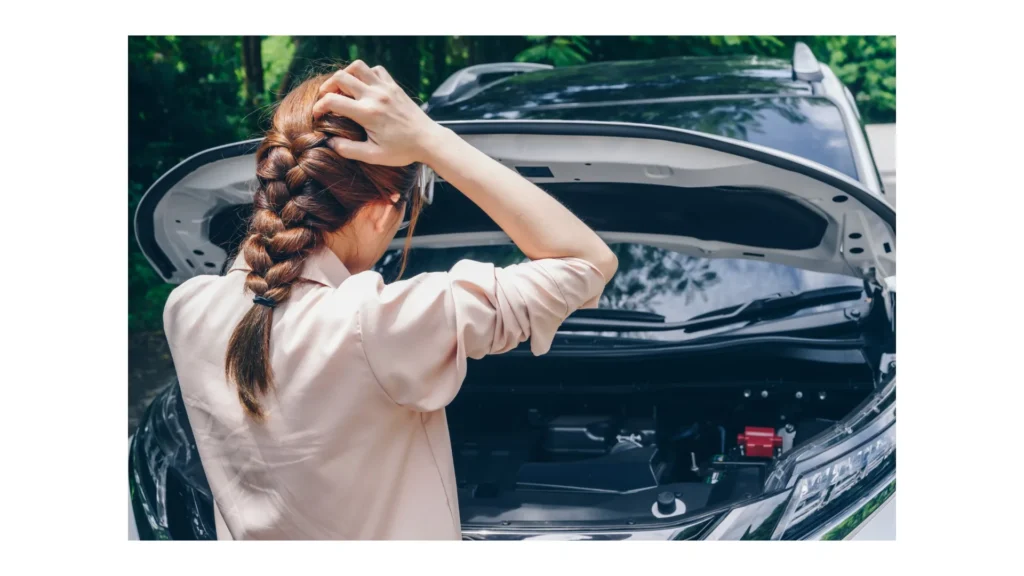
Answer-First Summary: To navigate selling a car with an electrical short circuit & wiring harness destruction, Ohio vehicle owners must follow state BMV regulations under the Ohio Revised Code. Ensure proper documentation and title status before completing the ownership transfer. While a fried wiring harness or shorted main ECU severely compromises retail resale value, unloading the vehicle does not have to be an impossible task. Whether dealing with rodent-chewed wiring, flood damage, or severe electrical shorts, you can legally sell your damaged vehicle in Ohio. CashSellCar buys vehicles with destroyed electrical systems, provides free towing with an eligible accepted offer in Ohio service areas, subject to service availability, vehicle details, and pickup access, and can even help you through the process if you are missing your title, provided there are no active liens or leases on the vehicle.
Understanding Selling Car with Electrical Short Circuit & Wiring Harness Destruction in Ohio
Dealing with severe automotive electrical problems is one of the most frustrating and debilitating experiences for any vehicle owner. Modern vehicles are essentially complex, rolling computer networks. They rely on miles of intricate, highly sensitive wiring harnesses to communicate between the Engine Control Unit (ECU), transmission sensors, anti-lock braking systems, and various accessory modules. When an electrical short circuit occurs, or a main wiring harness is physically destroyed, the vehicle typically becomes completely inoperable, transforming a daily driver into a two-ton paperweight.
The Realities of Rodent-Chewed Wiring and Shorted ECU Modules
One of the most common and surprising causes of wiring harness destruction—particularly in Ohio where vehicles might sit idle in barns, unsealed garages, or near wooded areas during the cold winter months—is rodent damage. Mice, rats, squirrels, and chipmunks frequently seek shelter in warm engine bays. Unfortunately, many modern auto manufacturers use soy-based, biodegradable wire insulation, which acts as a food source for these pests. They chew through the insulation to build nests or grind their teeth. This seemingly minor physical damage leads to catastrophic electrical shorts the moment the bare, exposed wires touch the metal chassis or cross-connect with each other.
A shorted main ECU module is often the fatal blow for an older vehicle. The ECU is the brain of the car, and a sudden surge of improper voltage from a shorted wire can fry the delicate internal circuit boards. Diagnosing the exact location of a short circuit in a massive wiring harness requires dozens of hours of labor from a highly specialized automotive electrician. Replacing a main wiring harness often involves completely disassembling the dashboard, pulling the engine, and routing new cables through the firewall. This process can cost thousands of dollars in parts and labor, frequently exceeding the actual cash value of the car.
Additional Causes of Electrical Failure
Beyond rodents, other common causes of electrical short circuits include:
- Water Intrusion and Flooding: Heavy Ohio spring rains, flash floods, or driving through deep puddles can force water into sensitive, unsealed electrical connectors. This causes rapid corrosion, rust, and immediate short circuits across multiple systems.
- Improper Aftermarket Installations: Poorly installed aftermarket stereos, subwoofers, remote starters, or alarm systems are notorious for causing parasitic battery drains and dangerous electrical shorts. A single improperly spliced wire can melt an entire sub-harness.
- Age, Heat Cycling, and Vibration: Years of extreme heat radiating from the exhaust manifold, followed by freezing Ohio winter temperatures, cause wire insulation to become brittle. Continual road vibration eventually causes this brittle plastic to crack and flake off, leaving bare wires exposed to the elements.
When faced with a repair bill that vastly exceeds the vehicle’s worth, many owners find themselves holding onto what insurance companies would consider a “total loss” vehicle. Selling a car with electrical problems in Ohio requires a clear understanding of your vehicle’s diminished salvage value and the strict legal steps required to transfer ownership of a non-running car. If you are looking to sell your car in Ohio, understanding the state’s specific administrative guidelines is critical to ensuring a smooth, legal transaction.
Key Ohio BMV Rules & Legal Requirements
When selling any vehicle in the state of Ohio, including those that are completely inoperable due to severe electrical issues, sellers must strictly adhere to the Ohio Revised Code, specifically the statutes governing vehicle titles (R.C. 4505 Title Law). The state of Ohio heavily regulates the transfer of motor vehicles to prevent fraud, curb auto theft, and ensure that all civil and financial liability is properly transferred from the seller to the buyer.
First and foremost, to legally sell a vehicle in Ohio, you must be the verified legal owner, and you must possess a valid, transferable Ohio Certificate of Title. The title acts as the ultimate, legally binding document proving ownership.
Dealing with Active Liens and Leases
It is a critical, non-negotiable requirement that your vehicle is fully paid off before attempting to sell it to an auto buyer, dealership, or salvage company like CashSellCar. CashSellCar does not buy leased vehicles or vehicles with active loans under any circumstances. If you previously financed the vehicle and the loan has since been paid off, you must ensure that the lienholder (the bank or credit union) has officially released the lien.
In Ohio, this is typically executed either via an Electronic Lien and Title (ELT) release sent directly to the BMV, or by the lender physically stamping and an authorized agent signing the front of your paper title. If your physical title still shows an active lien on the front, you will need to contact your financial institution to obtain an official notarized lien release letter on bank letterhead before any buyer can legally take ownership and transfer the title.
Strict Notarization Requirements in Ohio
Unlike many other states, Ohio is a strict notary state when it comes to vehicle titles. You must sign the assignment section on the back of the Ohio title in the physical presence of a commissioned Notary Public or an authorized Deputy Clerk at an Ohio Bureau of Motor Vehicles (BMV) or County Clerk of Courts title office.
Signing the title before you are in the presence of a notary, or using white-out to correct a mistake, can permanently void the document. If the title is voided or mutilated, you will be forced to apply for a replacement title, delaying the sale of your vehicle by several days or weeks.
Required Documentation & Forms
To successfully and legally navigate the transfer of a vehicle with a destroyed wiring harness, you need to gather the correct documentation ahead of time. Having your paperwork organized prevents administrative delays and ensures a smooth, fast transaction.
- The Original Certificate of Title: As emphasized, this is the most critical document. Ensure it is free of tears, severe water stains, or unauthorized alterations.
- Valid Government-Issued Identification: You will need an unexpired state driver’s license or state ID card. The notary public is legally required to verify your identity against this document before witnessing your signature on the title.
- Odometer Disclosure: For vehicles less than 20 years old, federal and Ohio state laws require a precise odometer reading to be recorded at the time of sale. This is typically done directly on the back of the title in the designated assignment section. However, if the electrical short circuit prevents the digital dashboard from turning on, you cannot verify the exact mileage. In this scenario, you must declare the mileage as “Not Actual” or “Exceeds Mechanical Limits” on the title assignment, acknowledging that the true mileage is unknown due to the electrical failure.
- Lien Release Letter (If Applicable): A formalized letter from your bank confirming the loan is paid in full, required only if the lien has not already been physically cleared from the title document itself.
What if the Title is Missing or Destroyed?
If you have lost your title, it was destroyed in a fire or flood, or it was stolen, you can still sell your car. CashSellCar may be able to purchase some vehicles with title issues, depending on the vehicle, ownership evidence, Ohio requirements, and current purchasing rules, and our team actively guides our customers through the entire duplicate title process.
In Ohio, if you need a replacement, you must submit BMV Form 3772 (Application for Certificate of Title to a Motor Vehicle) to your local County Clerk of Courts title office. There is a nominal fee (usually around $15) for this service, and all legal owners currently listed on the BMV record must sign the application in front of a notary or clerk. We can provide you with the necessary guidance, instructions, and support to expedite this process so you can sell your electrically damaged car without unnecessary anxiety or stress.
Step-by-Step Action Plan for Ohio Sellers
If you have consulted with a mechanic and decided that repairing the destroyed wiring harness is not financially viable, follow this step-by-step action plan to sell your car in Ohio securely, efficiently, and legally.
Step 1: Assess and Document the Condition
While the vehicle may not run, take detailed, well-lit photos of the interior, exterior, and the engine bay. Note any visible physical damage to the wiring, fuse boxes, or the ECU. Being highly transparent about the extent of the electrical short circuit and wiring harness destruction ensures you get an accurate quote upfront and avoids aggressive renegotiations on pickup day.
Step 2: Gather Your Paperwork
Locate your Ohio title and verify that there are absolutely no active liens. If the title is missing, begin the duplicate title process immediately via your County Clerk of Courts. Ensure your government ID is valid and unexpired. Remember: do not sign the title yet.
Step 3: Get a Quote from a Reputable Buyer
Reach out to CashSellCar for a guaranteed, data-driven cash offer. Be prepared to provide the vehicle’s year, make, model, trim level, mileage (or best estimate if the digital dash is dead), and a detailed description of the electrical damage. Because we specialize in buying Damaged and Totaled Cars, our purchasing agents understand exactly how to value vehicles with severe electrical issues based on their salvageable mechanical parts, catalytic converters, and raw scrap metal weight.
Step 4: Schedule Free Towing
Because a car with a destroyed wiring harness cannot be safely or legally driven on public roads, you will require specialized towing. Coordinate a pickup time that fits your schedule. CashSellCar may include free towing with an eligible accepted offer, subject to service availability, vehicle details, and pickup access across Ohio service areas, utilizing licensed and insured tow carriers.
Step 5: Finalize the Paperwork with a Notary
Before the tow truck arrives, or exactly at the time of pickup if a mobile notary is arranged, sign the back of your Ohio title in the physical presence of a Notary Public. Fill out the buyer information accurately and clearly as directed by the purchasing agent.
Step 6: Remove Personal Items and License Plates
Thoroughly check the glove box, center console, trunk, and under the seats for personal belongings, old registration cards, and insurance papers. In Ohio, license plates belong to the individual owner, not the physical vehicle. You are legally required to remove your license plates before the tow truck driver leaves with the vehicle.
Step 7: Cancel Insurance and Surrender Plates
Once the vehicle is sold, paid for, and towed away, immediately call your auto insurance provider to cancel the policy on that specific vehicle to save money. Take your old license plates to your local BMV office to surrender them, or transfer them to a new vehicle if you are purchasing a replacement within the state’s allowed timeframe.
Common Pitfalls & Scam Warnings
The cash-for-cars and auto salvage industry unfortunately has its share of unscrupulous, unregulated operators. When selling a vehicle with a severe electrical short, sellers are often highly motivated to just get rid of the headache, making them vulnerable to common scams.
- The “Title Jumping” Scam: Never, under any circumstances, leave the buyer’s section of the title blank. Scammers will pressure you to sign an “open title” so they can illegally resell the car without registering it in their name, effectively dodging state taxes and BMV registration fees. If the car is later involved in a crime, abandoned on a highway, or racks up parking tickets, the vehicle will still legally trace back to you, leaving you financially liable.
- Hidden Towing Fees: Many fly-by-night buyers will give you a highly inflated initial quote over the phone to secure your business, only to unexpectedly deduct hefty towing and administrative fees when their driver arrives to pick up the non-running car. CashSellCar guarantees no hidden fees and provides towing that may be free with an eligible accepted offer, every time.
- The “Resolve the Active Loan Before Selling” Trick: Some predatory buyers promise to take over your monthly car payments or pay off your auto loan after taking physical possession of the vehicle. Never trust this arrangement. The auto loan remains legally tied to your name and social security number. If they default on the payments or disappear, your credit score will be ruined. Remember, CashSellCar strictly requires all loans to be fully paid off prior to purchase.
- Renegotiating at the Curb: A common and frustrating tactic is for a tow truck driver to arrive and suddenly point out the exact electrical damage you already disclosed over the phone, using it as an aggressive excuse to lower the cash offer at pickup. Work exclusively with reputable, highly-reviewed companies that honor their guaranteed quotes.
Towing & Valuation Considerations
Valuing a car with a completely destroyed wiring harness is fundamentally different from valuing a standard used car with high mileage or minor cosmetic dents. The primary value of a vehicle with catastrophic, unrepairable electrical failure lies in its heavy metals (steel chassis, aluminum engine blocks, platinum/palladium in the catalytic converter) and usable, non-electrical mechanical parts (transmissions, suspension components, straight body panels, and glass).
Because the vehicle is essentially a dead weight and cannot move under its own power, logistics play a massive role in the transaction. Towing a disabled vehicle out of a tight residential driveway, an underground parking garage, or a muddy backyard requires specialized equipment like winch-equipped flatbeds and skilled operators (whose operations are governed by R.C. 4513 Towing and impound regulations).
One of the biggest concerns for Ohio sellers is the exorbitant out-of-pocket cost of moving a non-running car. Private towing fees can quickly eat into the profit of selling a scrap or damaged vehicle, sometimes costing hundreds of dollars just to move the car across town. That is exactly why CashSellCar offers **free towing with an eligible accepted offer in Ohio service areas, subject to service availability, vehicle details, and pickup access. Whether you are located in the dense, high-traffic urban centers of Cuyahoga County, the sprawling, fast-growing suburbs of Franklin County, or a remote rural farming community in the southern part of the state, our towing service is always 100% free with absolutely no hidden deductions.
How CashSellCar Assists Ohio Sellers
At CashSellCar, we strive to make the complex process of selling a heavily damaged, non-running vehicle as seamless and painless as possible. We deeply understand the unique, frustrating challenges of dealing with sudden electrical short circuits and irreparably fried wiring harnesses.
Our customer service team specializes in navigating Ohio-specific BMV regulations and title laws. If you are struggling with a missing or mutilated title, we do not simply turn you away; we proactively guide you step-by-step through the Ohio duplicate title process to ensure you can legally sell your car. We enforce strict legal compliance by refusing to purchase vehicles with active liens or leases, which protects both our business integrity and your long-term financial liability. Most importantly, our ironclad commitment to free towing that may be included with an eligible accepted offer, subject to service availability, vehicle details, and pickup access where service is available in Ohio means you will never have to worry about the logistics or costs of moving a dead vehicle off your property. Explore more about our statewide services and expertise on our Ohio State Archive page.
Frequently Asked Questions
Q1: What is the main Ohio rule for Electrical Short?
While there isn’t a specific Ohio legislative statute written just for “electrical shorts,” the main Ohio rule regarding the sale of any heavily damaged, non-running, or salvage vehicle falls under the Ohio Revised Code (R.C. 4505 Title Law). This fundamental law mandates that the vehicle must have a clear, legally notarized title properly assigned to the buyer, and all financial liens or leases must be fully satisfied and legally released prior to the transfer of ownership, regardless of the vehicle’s mechanical or electrical condition.
Q2: What BMV forms are required?
The primary and most essential document required is your original Ohio Certificate of Title, properly signed and notarized. If your title is lost, stolen, or destroyed, you will need to formally submit BMV Form 3772 (Application for Certificate of Title) to your local County Clerk of Courts to obtain a duplicate. Furthermore, for vehicles under 20 years old, an Odometer Disclosure is legally required. This is usually completed directly on the title assignment section, though you may need to check the “Not Actual Mileage” box if the electrical short prevents you from reading the digital dashboard.
Q3: Can CashSellCar pick up my vehicle in Ohio?
Yes, absolutely. CashSellCar may include free towing with an eligible accepted offer, subject to service availability, vehicle details, and pickup access for all purchased vehicles across Ohio service areas, subject to availability. Whether your car is stranded in your home driveway, stuck at a mechanic’s shop racking up storage fees, or abandoned in a commercial storage lot, our network of professional, licensed tow carriers will retrieve it subject to the towing terms confirmed with an eligible accepted offer, regardless of your specific location in the state.
Ready to turn that electrical nightmare into cash? Get a free, no-obligation cash at pickup offer for your vehicle in Ohio today at CashSellCar.com or call 844-512-0697.
Author: CashSellCar Editorial Team
Reviewed by: CEO, CashSellCar
Legal information disclaimer: Vehicle eligibility, title requirements, towing availability, pickup timing, and offers vary based on the vehicle, ownership documentation, location, and applicable law. This article provides general information and is not legal advice. Confirm current requirements with the Ohio BMV or your county Clerk of Courts.
Ready to see what your car is worth?
Get a real online offer with free towing and no obligation.
Get my instant offer

